Choosing the Right Septic System for Your Property: What to Consider Before Installation?
Selecting the appropriate septic system for your property is a critical decision that impacts both functionality and longevity. A well-chosen system efficiently treats wastewater, protects the environment, and reduces costly repairs over time. Many property owners underestimate how factors like household size, soil conditions, and site layout influence the best type of system for their needs. Understanding these considerations before installation ensures a system that works effectively for decades.
Understanding Your Property’s Needs
Every septic system is designed to handle a specific volume of wastewater. Determining the number of occupants, water usage patterns, and potential future expansions helps professionals select a system that can manage daily demands without overloading. A system that is too small can lead to backups and costly maintenance, while an oversized system may increase installation costs unnecessarily. Evaluating your property’s current and future requirements is the first step in choosing the right solution.
Assessing Site Conditions and Limitations
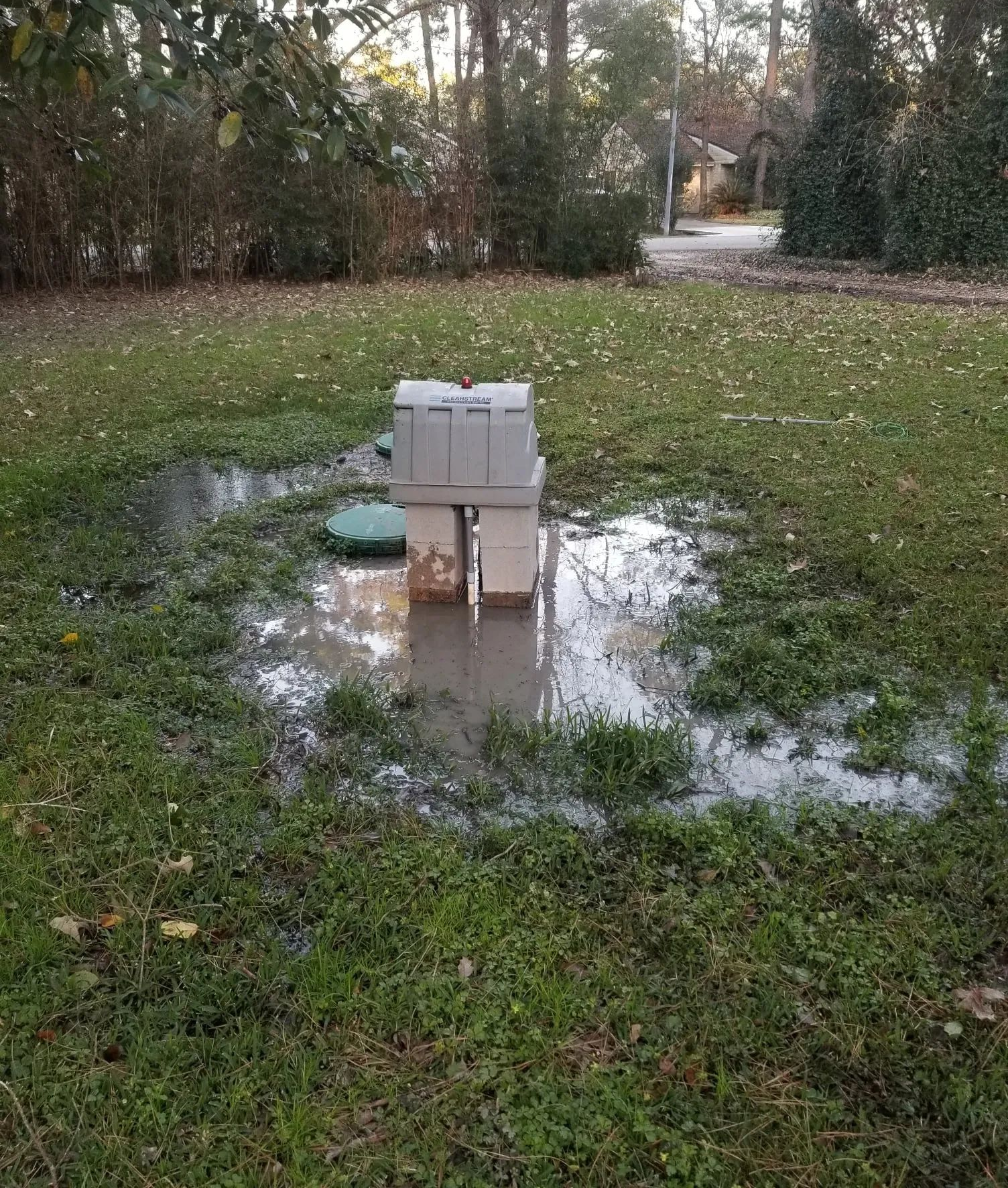
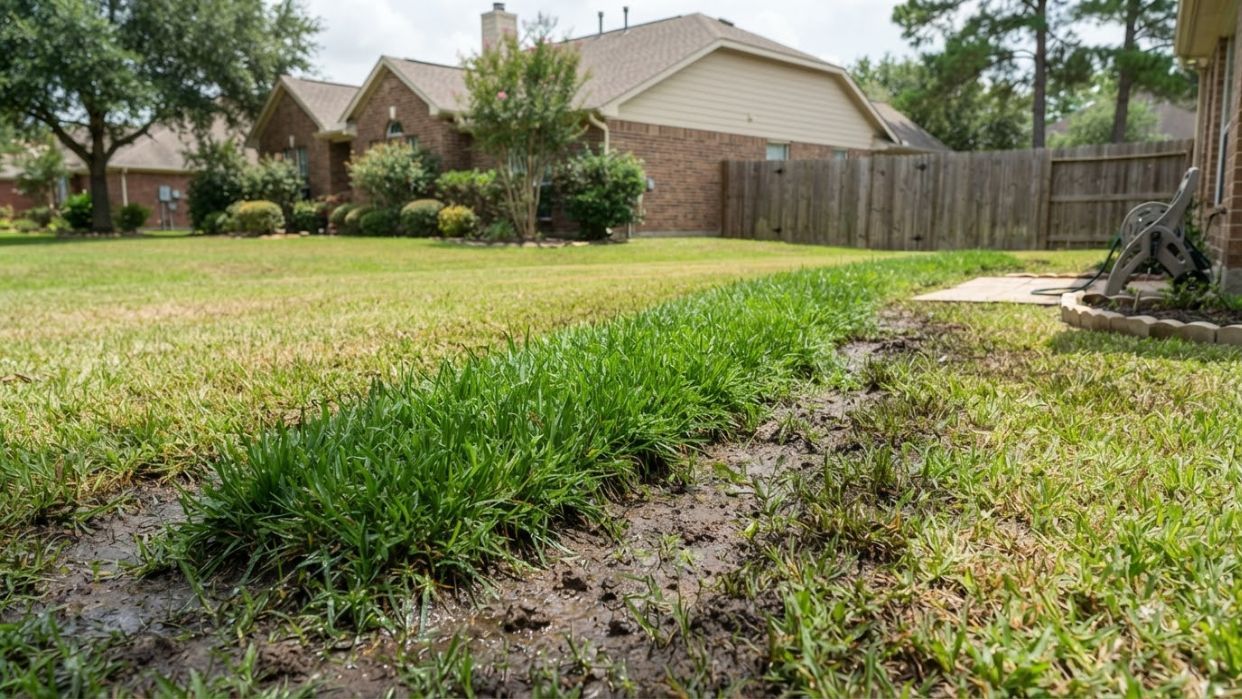
The layout and physical characteristics of your property greatly influence which type of septic system will perform best. Factors such as lot size, slope, proximity to water sources, and access for maintenance play a key role in system design. Some properties may require specialized systems like mound or aerobic systems if conventional designs are unsuitable due to high water tables, poor drainage, or rocky terrain. Understanding site limitations helps avoid design compromises that could lead to premature system failure.
Evaluating Soil and Drainage Capabilities
Soil conditions are a primary factor in septic system selection. Different soils absorb and treat wastewater at varying rates, which affects how well a system will function. Percolation tests and soil analysis inform professionals whether a conventional gravity-fed system is appropriate or if alternative designs are needed. Matching the system to the soil’s natural absorption capabilities ensures effective wastewater treatment and long-term reliability.
Considering System Type and Technology
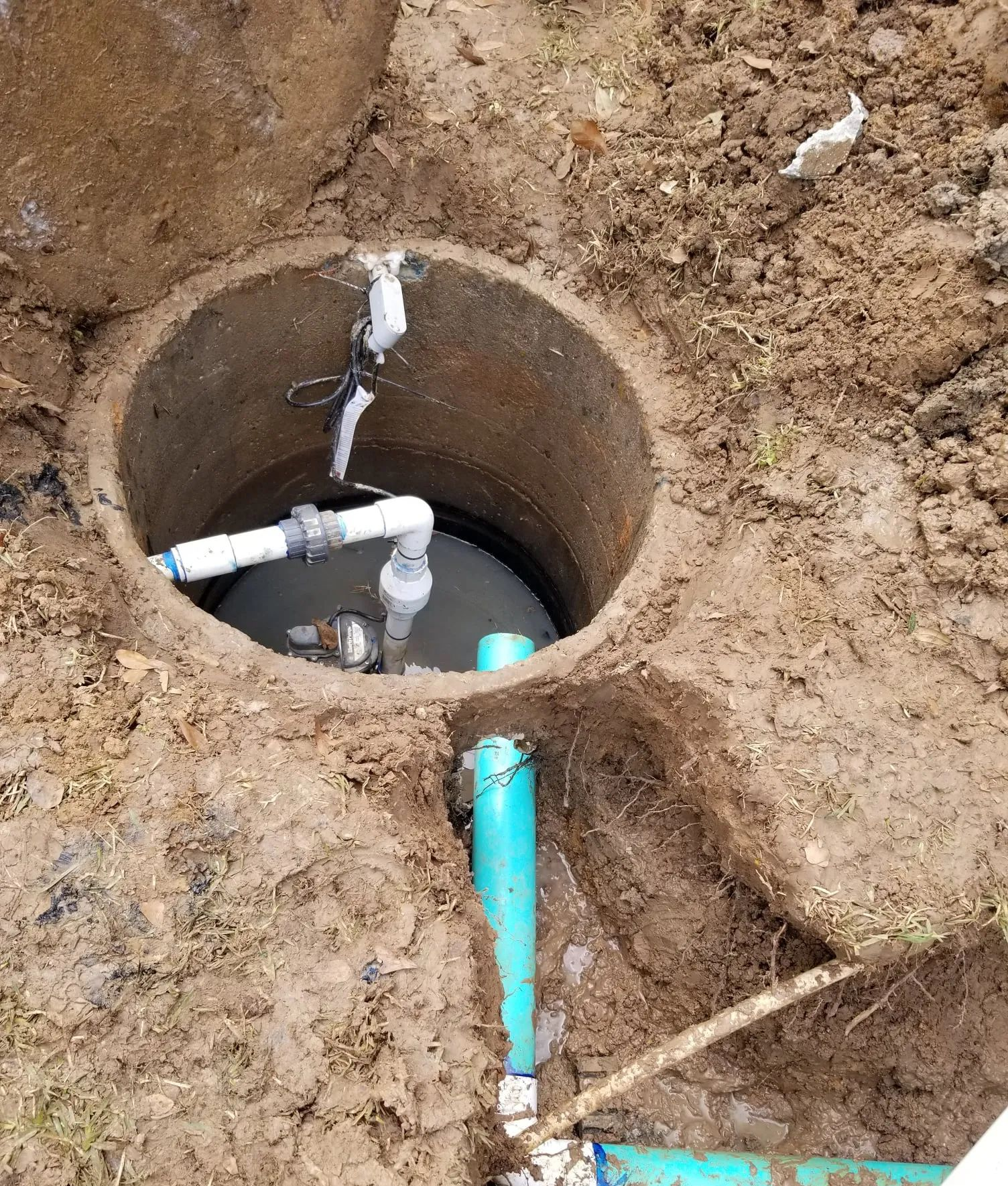
Septic systems come in various types, including conventional gravity systems, pressure distribution systems, mound systems, and aerobic treatment units. Each system has advantages and limitations based on property size, soil type, and local regulations. Consulting with an experienced installer helps property owners understand which system aligns with both environmental requirements and household needs. Modern systems often include features that enhance efficiency, reduce maintenance, and minimize environmental impact.
Ensuring Compliance and Environmental Protection
Local health and environmental authorities require permits and inspections for septic installation. Choosing the right system involves meeting these regulations while ensuring wastewater is safely treated before returning to the ground. Properly designed and installed systems protect wells, streams, and surrounding land from contamination. Compliance not only avoids legal penalties but also promotes a healthier, safer environment for the community.
Planning for Long-Term Maintenance
Selecting the right system also means considering ongoing maintenance. Systems designed to match property conditions typically require fewer repairs, less frequent pumping, and have longer operational lifespans. Understanding maintenance requirements upfront helps homeowners budget for care and ensures consistent performance over time.
Conclusion
Choosing the right septic system is a balance of understanding property needs, evaluating soil and site conditions, complying with regulations, and planning for future maintenance. A properly selected system provides efficient wastewater treatment, protects the environment, and minimizes costly repairs.
For residents in Spring, Texas, A-1 Cleaning & Septic Systems, LLC
offers expert guidance to determine the ideal septic system for your property, ensuring reliable, long-lasting performance from day one.