How Professional Septic Tank Pumping Prevents Costly Repairs
A septic system is one of the most critical yet often overlooked components of a property’s infrastructure. Hidden underground, it quietly manages wastewater every day, making it easy for homeowners and property managers to forget its importance until something goes wrong. Unfortunately, when septic systems fail, the consequences can be disruptive, expensive, and potentially hazardous to health and the environment. Most major septic issues do not happen overnight; they develop gradually due to neglect, improper maintenance, or delayed servicing. Small warning signs are often ignored, allowing minor inefficiencies to evolve into serious structural failures. These problems can impact daily living, property value, and environmental safety. Understanding the system’s role highlights why proactive care is essential rather than optional.
Professional septic tank pumping plays a vital role in preventing these costly problems. By removing accumulated sludge and solids before they overload the system, routine pumping helps maintain efficient operation and protects key components from damage. Many expensive repairs—such as drain field failure, pipe blockages, and tank deterioration—are directly linked to skipped or delayed pumping schedules. When pumping is treated as preventative maintenance, it reduces stress on the entire system. It also supports consistent wastewater flow and proper separation of solids. Understanding how professional septic tank pumping works and why it matters allows property owners to make informed decisions that safeguard their investment. This article explores how regular, professional pumping prevents costly repairs, extends system lifespan, and ensures reliable wastewater management through proactive care rather than reactive fixes.
Understanding How Septic Systems Function
The Basic Components of a Septic System
A standard septic system is designed to treat wastewater efficiently through a combination of interconnected components working together underground. Wastewater exits the property through an inlet pipe and enters the septic tank, where gravity allows solids to separate naturally. Heavier materials settle at the bottom forming sludge, while lighter oils and grease rise to create a scum layer. The clarified liquid effluent then flows through an outlet pipe into the drain field, where soil filtration removes remaining contaminants safely over time.
Why Solids Accumulation Is a Problem
As a septic system operates, sludge and scum layers steadily increase inside the tank. Without timely removal, these layers reduce the tank’s usable volume and interfere with proper wastewater separation. Excessive buildup allows solid waste particles to escape the tank and enter the drain field. Once there, solids clog perforated pipes and surrounding soil, restricting absorption. This disruption causes wastewater backups, surface pooling, and eventual system failure, often requiring extensive repairs or complete drain field replacement to restore functionality.
How Professional Septic Tank Pumping Prevents System Damage
Removing Sludge Before It Causes Harm
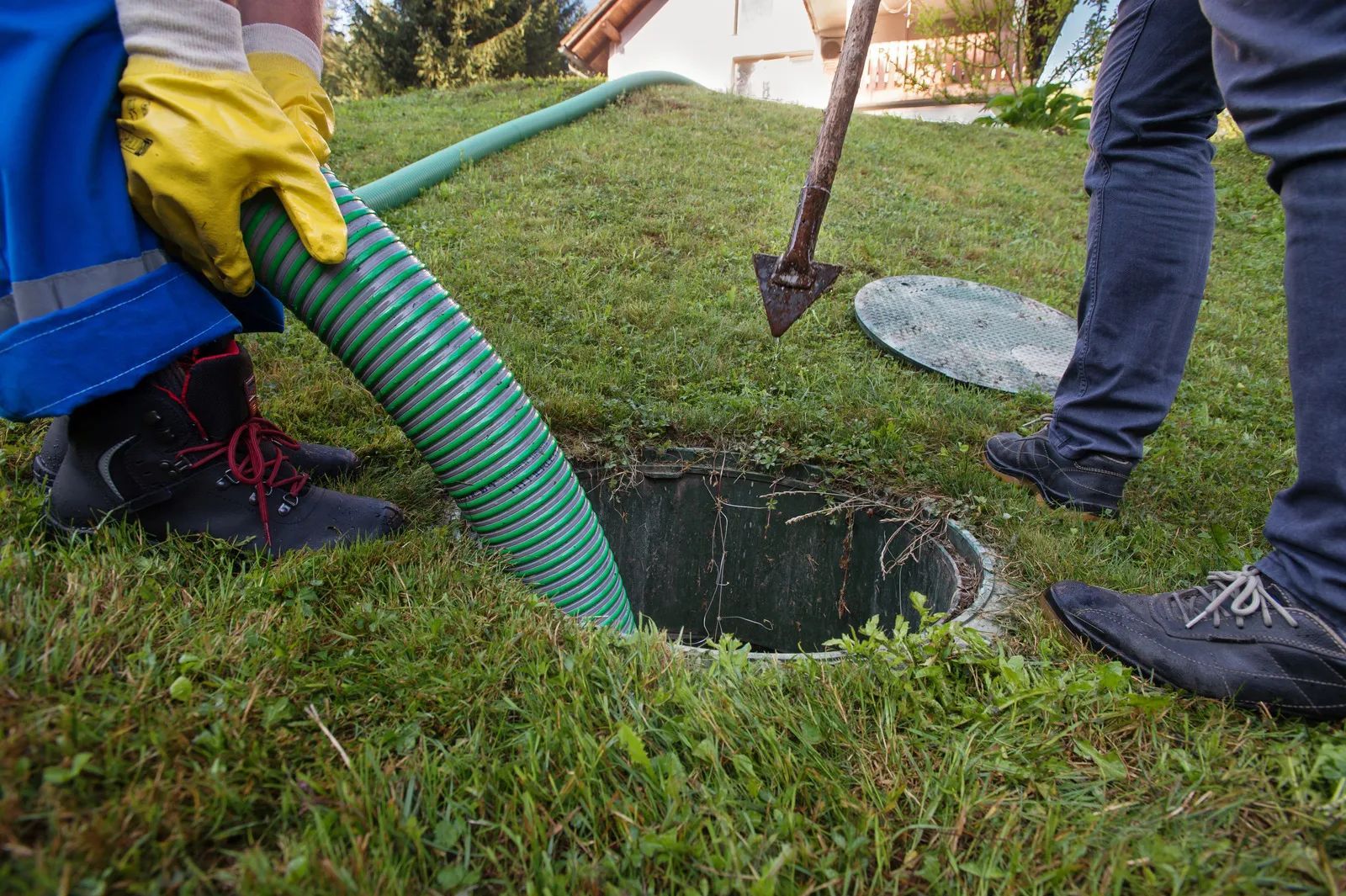
Professional septic tank pumping eliminates accumulated sludge and scum that naturally collect during daily system use. These materials cannot fully decompose and must be physically removed to prevent operational issues. By extracting solids before they reach critical levels, pumping preserves proper wastewater flow and prevents internal blockages. Controlled tank conditions reduce stress on inlet and outlet pipes, baffles, and drain field components. Routine pumping ensures the system functions as designed, protecting structural integrity and preventing gradual deterioration that leads to costly damage.
Protecting Internal Tank Components
Inside a septic tank, baffles or tees regulate wastewater movement and prevent solids from exiting prematurely. When sludge accumulates excessively, these components become vulnerable to damage or obstruction. Blocked or broken baffles disrupt flow patterns and increase the likelihood of solids reaching the drain field. Professional pumping keeps internal structures clear and accessible, preserving their function and preventing mechanical failure. Maintaining these components through routine service minimizes sudden breakdowns, reduces repair frequency, and extends the overall lifespan of the septic system.
Preventing Drain Field Failure Through Routine Pumping
Why Drain Fields Are Expensive to Fix
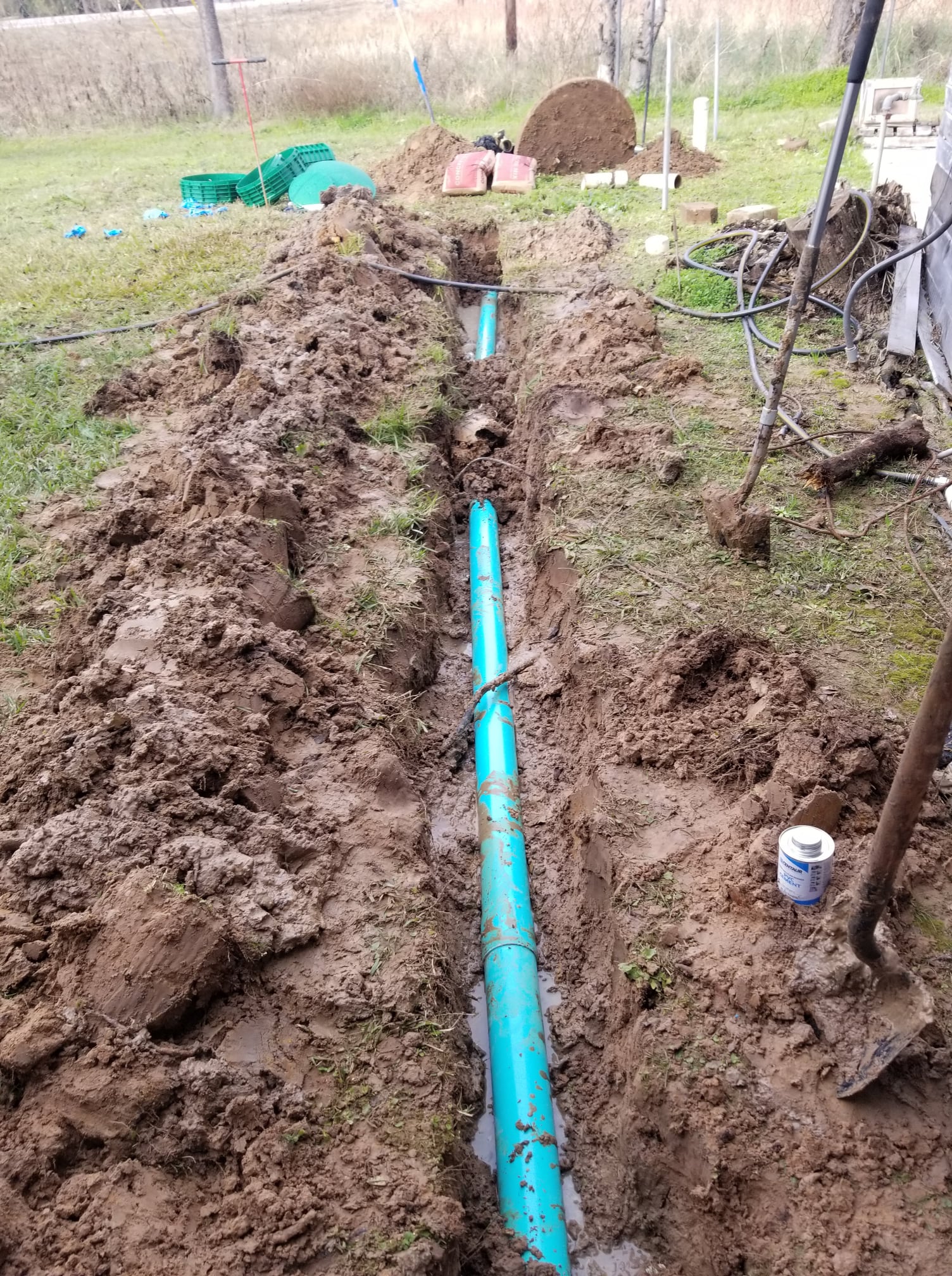
Drain fields represent one of the most costly septic system components to repair or replace due to their size and location. Failure often requires excavation, removal of contaminated soil, and installation of new distribution lines. Landscaping damage and restricted property use further increase expenses. Most drain field issues stem from solid waste intrusion rather than natural soil failure. Once soil pores become clogged, wastewater can no longer disperse properly, leading to backups and environmental concerns that demand immediate and extensive corrective action.
Pumping as a Preventative Measure
Routine septic tank pumping serves as a critical defense against drain field failure by controlling solid accumulation. When sludge levels remain within safe limits, solids are retained inside the tank instead of migrating outward. Proper pumping preserves soil permeability and ensures wastewater disperses evenly through the drain field. This preventative approach maintains consistent system performance and significantly delays deterioration. By protecting the drain field from contamination, regular pumping extends system lifespan and eliminates the need for premature, expensive replacement projects.
Financial Benefits of Proactive Septic Maintenance
Lower Long-Term Repair Costs
Preventative septic maintenance through scheduled pumping significantly reduces long-term expenses associated with system ownership. Pumping services are predictable, affordable, and far less costly than emergency repairs or full system replacements. Neglected systems often fail without warning, leading to immediate expenses that exceed routine maintenance costs many times over. By addressing sludge buildup early, property owners avoid structural damage, pipe blockages, and drain field failure. Consistent pumping allows budgeting for maintenance instead of reacting to unexpected, financially disruptive septic emergencies.
Avoiding Emergency Situations
Septic system emergencies can disrupt daily operations, damage property, and pose serious health risks. Sewage backups, foul odors, and wastewater surfacing are often signs of advanced system failure caused by neglect. Professional pumping reduces these risks by maintaining proper capacity and flow within the tank. By removing excess solids before they cause blockages, pumping prevents sudden breakdowns. This proactive service protects occupants, preserves sanitation, and eliminates the inconvenience and urgency associated with emergency septic system interventions and cleanup.
Best Practices for Septic Tank Pumping
Establishing a Pumping Schedule
An effective septic pumping schedule depends on tank size, household occupancy, wastewater usage, and waste composition. Most systems require pumping every three to five years, though higher usage may shorten intervals. Professional evaluations measure sludge and scum levels accurately, ensuring pumping occurs at the correct time. Following a customized schedule prevents overfilling and protects system components. Establishing routine service eliminates guesswork, ensures regulatory compliance, and keeps septic systems operating efficiently without unexpected performance issues or premature failures.
Working With Qualified Professionals
Qualified septic professionals bring specialized equipment, technical expertise, and regulatory knowledge to every pumping service. Proper procedures ensure waste removal is thorough, safe, and environmentally responsible. Experienced technicians also inspect tanks during pumping, identifying early warning signs such as cracks, corrosion, or abnormal buildup. These insights allow timely corrective action before problems escalate. Working with professionals ensures septic systems receive comprehensive care rather than basic waste removal, ultimately improving reliability, extending system life, and preventing avoidable, high-cost repairs.
Professional septic tank pumping is not merely a routine service; it is a critical preventative measure that protects an entire wastewater system from premature failure. By removing accumulated sludge and scum, pumping preserves proper flow, safeguards internal components, and prevents solids from damaging the drain field. These benefits directly translate into fewer emergency repairs, lower long-term costs, and a longer system lifespan. Property owners who prioritize regular septic maintenance gain peace of mind, knowing their system is operating efficiently and safely. Proactive care also supports environmental protection by preventing leaks and groundwater contamination. Ultimately, investing in professional septic tank pumping is a practical, cost-effective strategy that prevents small issues from turning into major, expensive repairs.
Dependable Septic Professionals Protecting Your Property Investment
For property owners seeking dependable septic system care, A-1 Cleaning & Septic Systems, LLC stands out as a trusted authority in the field. Based in Spring, Texas, the company has built a strong reputation through 30 years of hands-on experience delivering reliable septic services with professionalism and precision. Their approach emphasizes preventative maintenance, ensuring septic systems are properly pumped and inspected before costly problems arise. This proactive focus helps clients avoid emergencies and unexpected expenses. The company is known for consistent service standards and attention to detail. Property owners benefit from solutions designed for long-term system performance. Every service reflects a commitment to quality, safety, and customer satisfaction.
With a deep understanding of septic system mechanics and long-term performance, we focus on protecting customers’ investments through timely service and expert insight. Their experience allows them to identify potential issues early, recommend practical solutions, and help clients avoid unnecessary repairs. Technicians assess system conditions carefully rather than offering one-size-fits-all recommendations. This thoughtful approach reduces system strain and extends operational life. By combining technical knowledge with a commitment to customer education, the company empowers property owners to make informed decisions about septic care. Clear communication ensures clients understand maintenance needs and future planning.
Choosing an experienced provider means working with professionals who prioritize system longevity, regulatory compliance, and consistent results. Their proven track record makes them a dependable partner for maintaining efficient, trouble-free septic systems over the long term. Clients appreciate dependable scheduling and thorough workmanship. Services are performed with respect for property and environmental standards. The company’s reliability builds long-lasting client relationships. This dedication to excellence reinforces their role as a trusted septic service provider within the community.