Soggy Spot or Bright Green Grass Over the Drainfield? What's Surfacing
Quick Answer: Quick Answer: A soggy spot or an unusually green, spongy patch of grass over the drainfield is one of the clearest signs a septic system is struggling, according to the EPA and state health departments. It usually means effluent is surfacing or sitting too close to the surface instead of moving down through the soil, either because the field is saturated, the biomat layer has clogged the trenches, or the soil itself, heavy clay in much of the Greater Houston area, cannot absorb water as fast as the system is putting it out. The grass looks great because it is being fed nitrogen and phosphorus straight from untreated or partially treated wastewater. That is not a bonus. It is a warning that needs a look at the tank and the field before it turns into a backup or a yard full of standing sewage.
You are out mowing on a Saturday, and you notice it again: one strip of lawn is a shade greener than the rest, thick and a little spongy underfoot, running in a rough line across the side yard. Or maybe it is not green grass at all, just a patch that squishes when you step on it, days after the last rain. Either way, you know that patch sits more or less over where the drainfield runs, and you are wondering if you are looking at a yard-care quirk or the first sign of a much bigger problem.
It is the second one. A soggy area or an oddly lush strip of grass over a septic drainfield is one of the most reliable visual warnings a system gives before it fails outright. Here is what is actually happening under that patch of lawn, why Greater Houston's soil and weather make it more common here than almost anywhere else, and how the real cause gets found before the yard problem becomes a house problem.
Why the Grass Gets Greener Right Over the Field
A drainfield's job is simple to describe and harder to pull off: take the liquid effluent leaving the septic tank and let it soak into the soil, where naturally occurring bacteria finish treating it before it reaches groundwater. When that process works, nothing shows on the surface at all.
Effluent Carries Nutrients, and Nutrients Feed Grass
Household wastewater contains nitrogen and phosphorus that naturally encourage grass growth. When a drainfield struggles, effluent can remain closer to the surface, allowing these nutrients to reach grass roots in concentrated amounts. This often creates noticeably greener, thicker, faster-growing grass directly above affected drainfield trenches compared with the surrounding lawn.
A Soggy Spot Is Often Effluent That Never Made It Below Ground
Not every struggling drainfield produces greener grass. Sometimes the first warning is ground that remains wet, soft, or mushy long after rainfall ends. This moisture may be effluent sitting near the surface because the soil cannot absorb it quickly enough, indicating wastewater is not moving properly through the drainfield.
What's Actually Clogging the Field Underneath
The grass and the wet ground are symptoms. The cause is almost always one of a short list of things happening below the surface.
The Biomat Layer Has Thickened Past What the Field Can Handle
Every drainfield develops a biomat layer where effluent meets soil, helping bacteria treat wastewater before it moves deeper underground. Over time, this layer can become too thick and restrict infiltration. When wastewater cannot pass through the trench walls efficiently, effluent may begin backing up and moving closer to the ground surface.
The Soil Is Overloaded With More Water Than It Can Absorb
Drainfields are designed around the soil’s ability to absorb wastewater. Heavy water use from guests, repeated laundry loads, long showers, or leaking fixtures can temporarily exceed that capacity. Effluent may remain near the surface until water use decreases and soil recovers, distinguishing temporary overload from persistent drainfield failure symptoms.
The Field Has Reached the End of Its Working Life
Drainfields gradually lose effectiveness as biomat, sediment, and root intrusion restrict the pathways wastewater uses to enter surrounding soil. Eventually, trenches may no longer process effluent effectively. When soggy areas and surfacing wastewater become persistent rather than occasional, the drainfield may be approaching the end of its usable service life.
The Greater Houston Factor: Clay, Rain, and a Rising Water Table
Where you live changes how fast, and how often, this pattern shows up, and the ground across much of the region works against a drainfield in three specific ways.
Heavy Gumbo Clay Is Slow to Accept Water Even When Everything Else Is Fine
Drainfields depend on soil absorbing effluent at a steady rate. Greater Houston’s dense gumbo clay holds water and drains considerably slower than sandy soil. During normal system use, wastewater may remain closer to the surface because the ground cannot absorb it quickly. These low-permeability conditions increase the likelihood of soggy areas and surfacing effluent around drainfields after periods of heavier use.
Heavy Rain Saturates the Ground the Field Depends on Staying Open
Heavy Gulf Coast rainfall can fill the soil pores a drainfield normally uses to disperse wastewater. Even a properly functioning system may temporarily develop soggy ground or greener grass after significant storms. If these symptoms disappear as the soil dries, temporary saturation is likely. When wet conditions continue well after rainfall ends, however, the drainfield may have an underlying absorption problem.
A High Water Table Leaves No Dry Soil to Work With
In lower-lying areas of Greater Houston, groundwater can periodically rise close to drainfield trenches. When the water table becomes too high, less unsaturated soil remains available to absorb and treat effluent properly. Wastewater may consequently stay near the surface, causing persistent soggy ground or unusually green grass, particularly on flatter properties where groundwater drainage and usable soil depth are limited.
Tip: Take note of when the patch appears and how long it lasts. A soggy spot or green strip that shows up only after heavy rain and clears within a few days points toward temporary saturation. One that persists in dry weather, or keeps reappearing in the same exact location no matter the season, points toward a field problem that needs a real inspection rather than a wait-and-see approach.
How the Real Cause Gets Confirmed
Surfacing effluent can come from a system that's simply overwhelmed for a few days, or from a field that's actually failing. The difference matters. Sorting the two apart takes an actual inspection, not a guess from the driveway.
Checking the Tank First
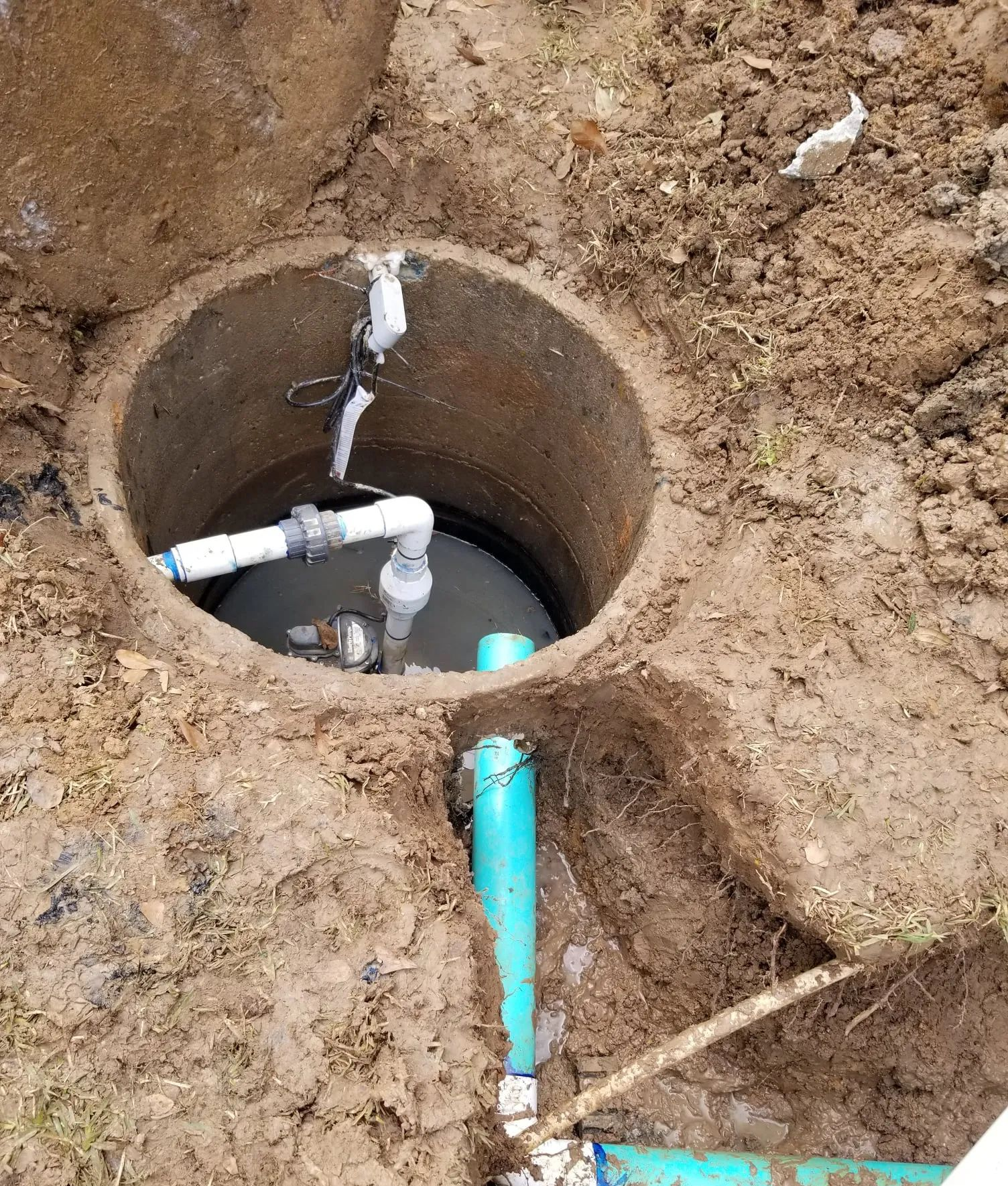
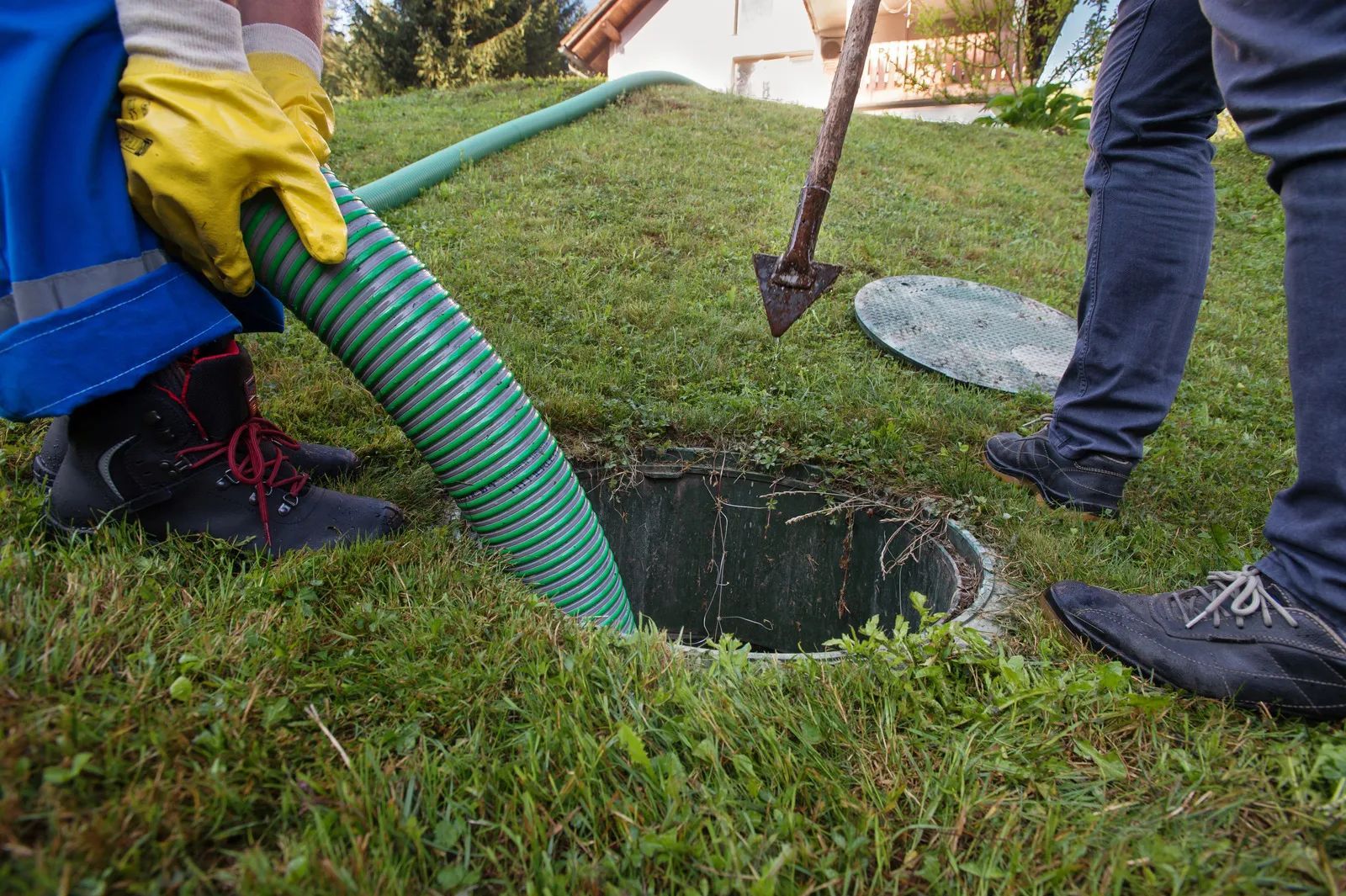
Before blaming the drainfield, the septic tank should be inspected and its sludge and scum levels checked. An overdue tank can allow excessive solids to move downstream, contributing to biomat buildup and poor drainage. Determining whether the tank needs pumping helps identify whether the problem starts there or farther downstream.
Walking and Probing the Field
After checking the tank, the drainfield can be examined for wet areas, unusually green grass, and soft ground. Inspecting whether these symptoms follow individual trench lines helps reveal how widespread the issue may be. Comparing affected areas with nearby dry soil can also indicate whether one trench or multiple trenches are struggling.
Assessing the Soil and Water Table Conditions
Soil composition and groundwater depth can vary considerably between nearby properties. An inspection considers how quickly the soil absorbs water and whether the water table is unusually high. Drainfields installed in dense clay or low-lying ground may respond differently after rainfall than systems located on higher ground with naturally better drainage conditions.
Reading How the System Responds Over Time
Watching how symptoms change over several dry days provides useful information. A soggy or green area that disappears may indicate temporary saturation or excessive water use. If the same patch repeatedly returns or remains consistently wet, the cause may involve excessive biomat buildup, an aging drainfield, or persistently high groundwater levels.
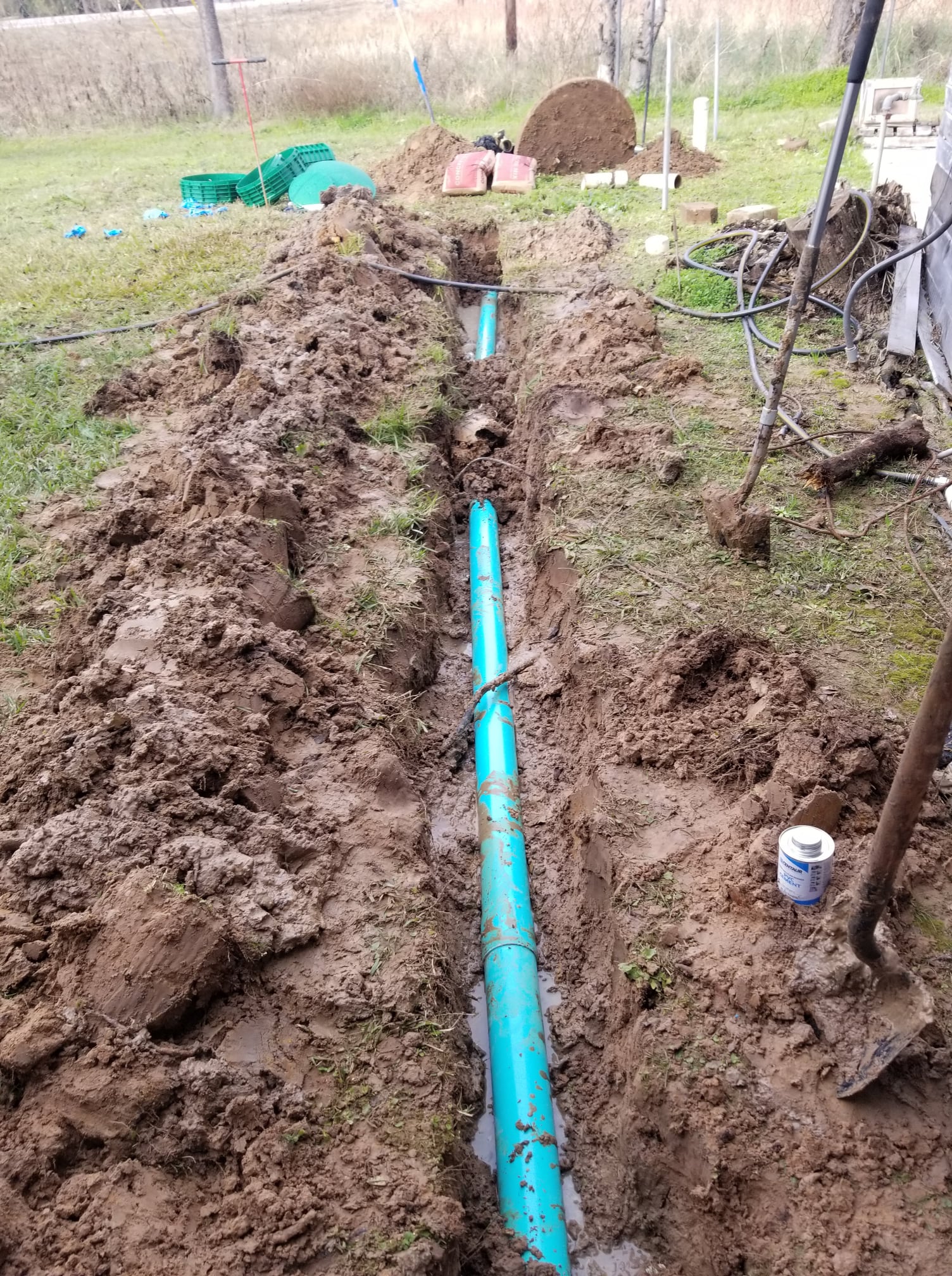
Once the tank, the field, and the surrounding soil conditions have been checked, a clear picture emerges. Sometimes the fix is limited to catching up on pumping and giving an overloaded field a break. Other times it means resting or replacing a section of trench that has reached the end of its service life.
Either way, guessing costs more than checking.
WARNING: Do not run extra water onto the area to see if it soaks in, and do not plant over or cover the spot to hide it. Adding water pushes an already struggling field closer to a full surface breakout, and covering the symptom with mulch or new sod does nothing to relieve the pressure underneath. If the ground near the drainfield stays wet or the grass stays unusually green for more than a few days without rain, that is the signal to get it looked at rather than mowed around.
Frequently Asked Questions
Is bright green grass over my septic system always a bad sign?
Not always, but unusually green, spongy grass can indicate effluent reaching the root zone. Persistent lush growth over drainfield trenches deserves attention, especially when surrounding grass appears noticeably drier or thinner.
How is a soggy spot different from bright green grass as a symptom?
Both can indicate effluent near the surface. Soggy ground shows excess moisture directly, while unusually green grass reflects wastewater nutrients reaching roots. Either symptom can suggest the drainfield is struggling underground.
Could this just be from lawn fertilizer or a sprinkler leak instead of the septic system?
Yes. Fertilizer or leaking sprinklers can create similar patches. However, grass that follows drainfield trench lines, remains unusually green, or feels consistently spongy may indicate wastewater affecting the soil below instead.
How urgent is a soggy patch that only shows up after it rains?
Temporary sogginess after heavy rain may simply reflect saturated soil. If the area remains wet several days afterward, repeatedly returns, or develops odors, the drainfield may be losing its absorption capacity.
Can a soggy drainfield spot be fixed without replacing the whole field?
Sometimes. Pumping an overdue tank, reducing excessive water use, or addressing localized problems may help. Severe biomat buildup or deteriorated trenches, however, can require repairing or rebuilding part of the drainfield.
Should I stop using water in the house if I notice the patch?
Reduce unnecessary water use by spacing laundry, showers, and dishwasher cycles while investigating the problem. This lowers pressure on the drainfield, but persistent wetness still requires identifying and correcting the underlying cause.
When Your Drainfield Starts Showing Warning Signs
A soggy patch or unusually green grass over the drainfield deserves attention because it often reflects how well wastewater is moving through the soil below. Rainfall, heavy clay, excessive water use, and an aging drainfield can all contribute to these visible changes. Understanding whether the problem is temporary saturation or declining field performance helps homeowners respond appropriately before persistent moisture, odors, or slow drainage begin affecting other parts of the septic system.
With 30
years of experience serving Spring, TX, A-1 Cleaning & Septic Systems, LLC
understands how local soil and weather conditions can affect drainfield performance. Examining the tank, field conditions, and surrounding soil provides a clearer picture of what is happening beneath the surface. When unusual grass growth or soggy ground is identified early, the underlying issue can often be addressed before it develops into sewage surfacing, household backups, or more extensive drainfield damage.