Toilets Slow and Gurgling Across the House? When It's the Septic
Quick Answer: When every toilet in the house is slow to flush and gurgling at the same time, the problem is almost never the toilets. It sits downstream, where all your drains join and head to the septic system. The gurgle is trapped air escaping past standing water, and the shared cause is usually a blocked main line, a clogged vent, a full tank, or a drainfield that can no longer take the flow. One slow toilet is a local clog; every toilet at once is a whole-system signal worth diagnosing.
You flush the toilet in the hall bath and it drains in slow motion, the water rising before it finally glugs away. You walk to the master bath, flush there, and hear the same low gurgle answer back from the tub drain. The kitchen sink is draining slower than it used to. Nothing is overflowing yet, but the whole house feels like it is breathing through a straw. Plunging one bowl does nothing, and you get the uneasy feeling this is bigger than a single clog.
That instinct is right. When one toilet acts up, the trouble is usually in that fixture or the short run of pipe behind it. When every toilet slows and gurgles at the same time, something they all share has gone wrong, and on a home with a septic system, that shared path leads straight to the tank and the drainfield. Here is how to read the signs, what tends to cause them in Greater Houston soil, and how the real cause gets pinned down before it turns into sewage on the floor.
Why Every Toilet at Once Points Past the Bowl
The single most useful clue you have is how many fixtures are affected. It sorts the small problems from the serious ones before anyone opens a tank lid.
One toilet versus the whole house
A single slow or gurgling toilet usually indicates a local clog that can often be cleared with a plunger or auger. When multiple fixtures throughout the house gurgle or drain slowly, the problem is typically in the main line, septic tank, or drainfield and requires professional diagnosis.
The gurgle is trapped air, not water
Gurgling happens because trapped air cannot escape through the plumbing vents as intended. A blockage in the septic system or main drain line forces air back through nearby fixtures, creating bubbling sounds that signal wastewater is no longer flowing freely through the system.
What the Gurgle Is Actually Telling You
Before assuming the worst, it helps to understand the two things that create that trapped-air pressure, because they point in slightly different directions.
A restriction in the main line or tank inlet
A partial blockage in the main drain line or septic tank inlet slows wastewater flow and traps air inside the plumbing. As pressure builds, multiple fixtures begin gurgling or draining slowly, signaling a whole-system problem rather than an isolated clog.
A blocked or restricted vent
A blocked plumbing vent prevents proper airflow, causing trapped air to escape through nearby fixtures instead. Bird nests, leaves, or debris can create symptoms similar to septic problems, making a professional inspection important for accurate diagnosis.
When the Septic Tank Itself Is the Cause
On a septic property, the whole-house slowdown very often traces back to the tank or what lies past it. A few specific failures show up again and again.
A tank that is simply full
As sludge and scum build inside the septic tank, wastewater cannot flow properly. An overdue tank often causes slow drains, gurgling fixtures, and an increased risk of sewage backing up into the home.
An effluent filter that has clogged
A clogged effluent filter restricts wastewater leaving the septic tank, creating slow drains and gurgling throughout the house. Cleaning the filter restores normal flow while helping protect the drainfield from damaging solids.
A drainfield that can no longer accept water
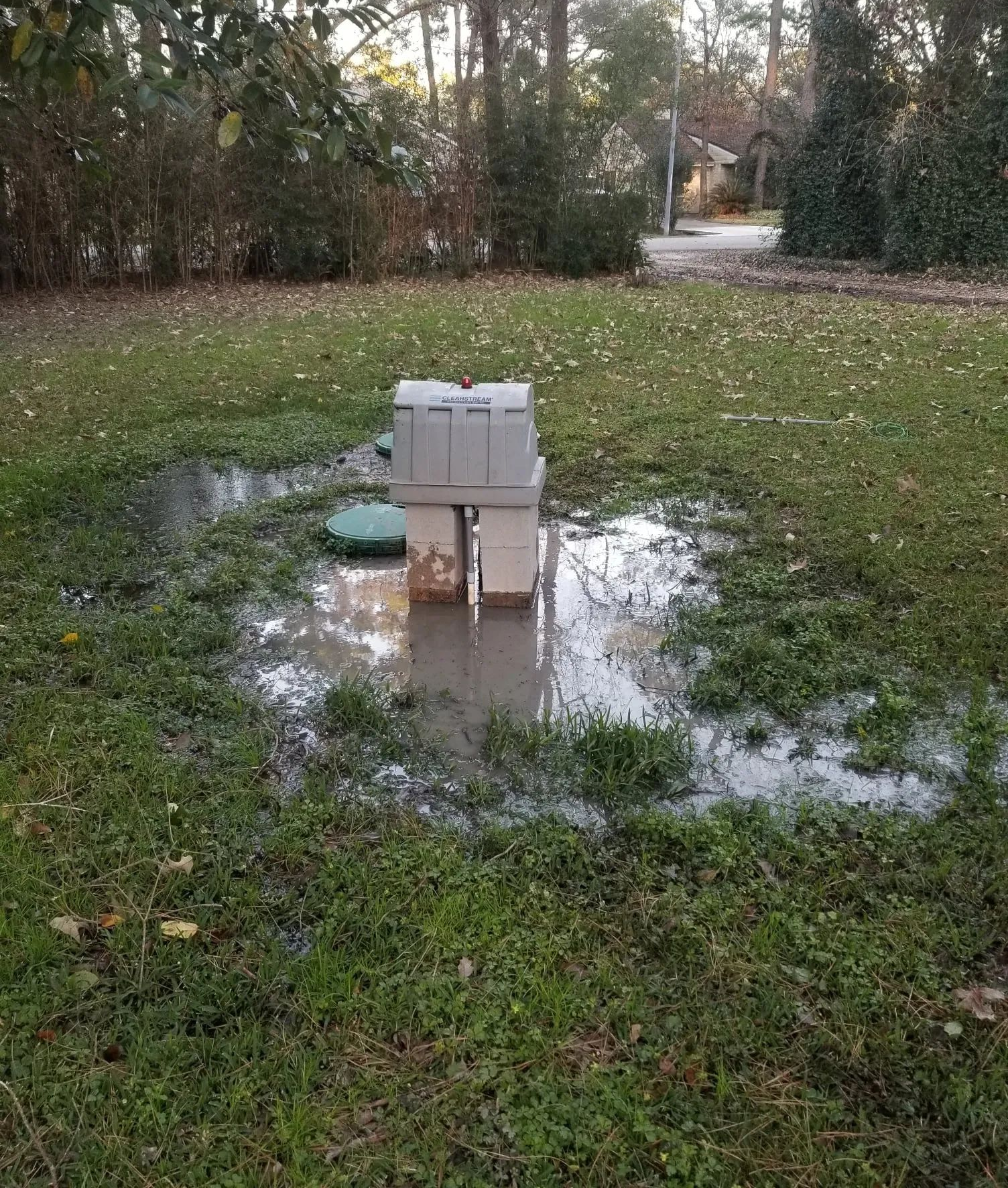
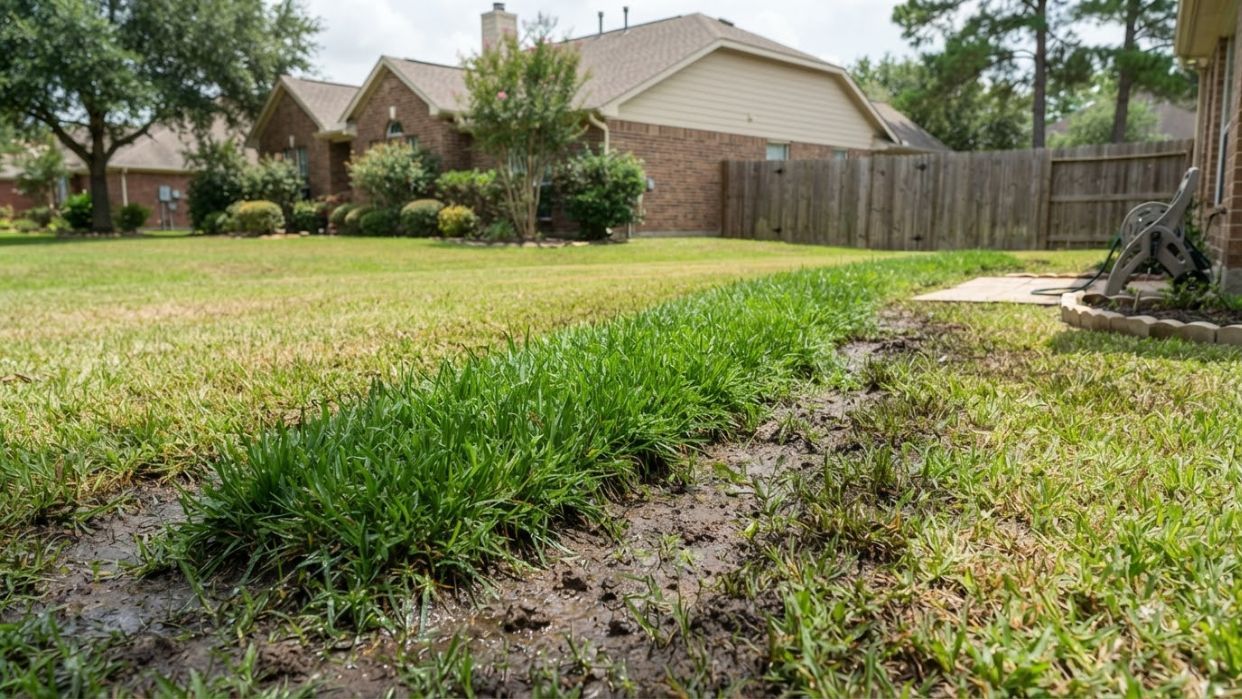
A saturated or failing drainfield prevents wastewater from soaking into the soil. The septic tank fills faster, drains slow throughout the house, and pumping alone usually will not permanently solve the problem.
How the Real Cause Gets Pinned Down
Because a full tank, a clogged filter, a blocked vent, a main-line obstruction, and a failing field can all produce the same slow, gurgling drains, sorting them out takes inspection rather than guesswork. Here is what that looks like.
Checking the tank and its levels
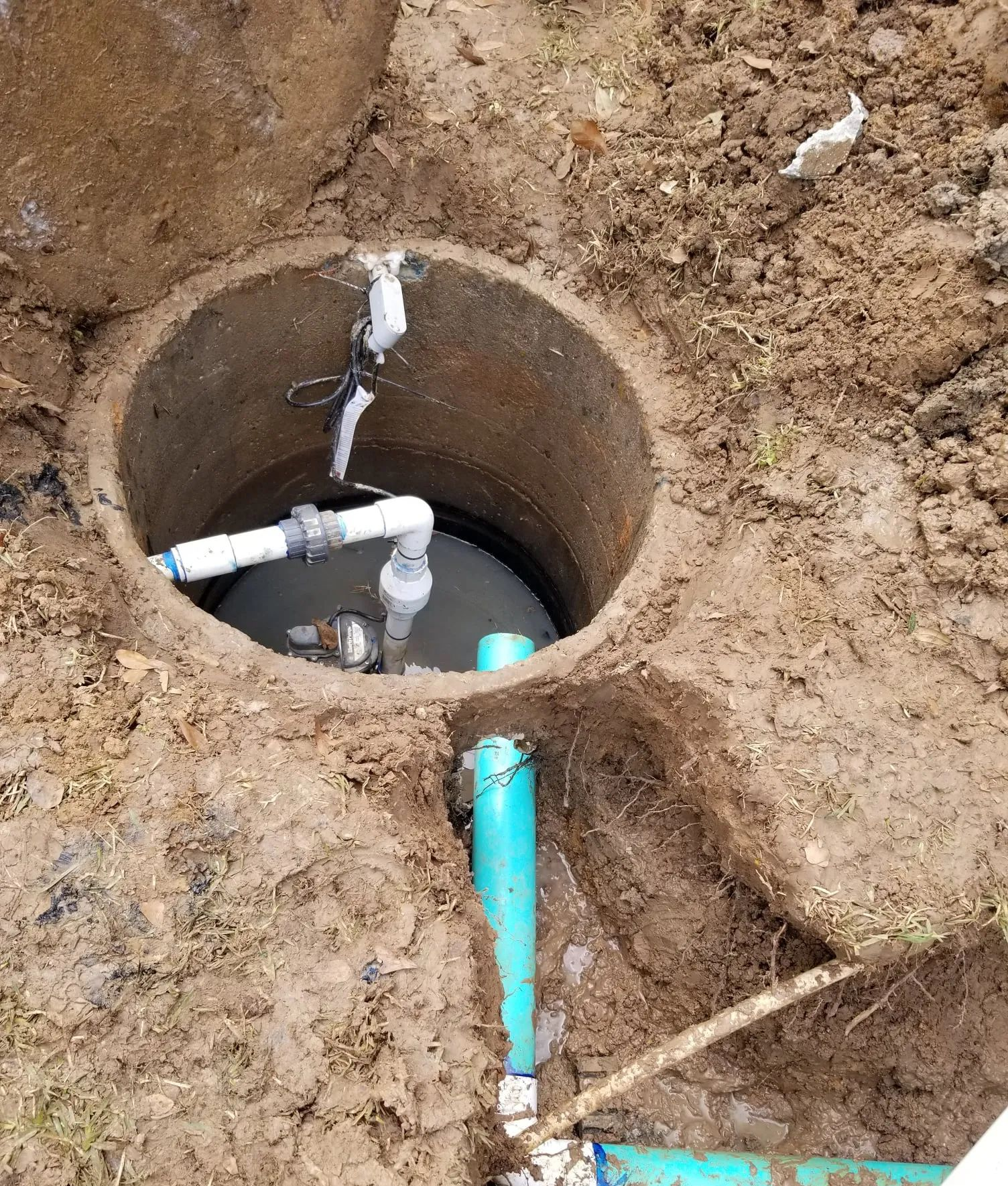
Opening the septic tank reveals sludge and scum levels, helping determine whether the tank simply needs pumping or if another issue is preventing wastewater from flowing properly.
Inspecting the outlet filter and baffles
The effluent filter is checked for clogs, while the inlet and outlet baffles are inspected for damage. These components help protect the drainfield and maintain proper septic system performance.
Reading what happens after pumping
If drains stay clear after pumping, the full tank caused the problem. If symptoms quickly return, a saturated or failing drainfield may be preventing wastewater from leaving the septic system.
Camera and line checks when needed
When the tank appears normal, a camera inspection helps locate roots, pipe damage, bellies, or blockages in the main line, while vent checks rule out airflow restrictions affecting the drainage system.
WARNING: Do not keep flushing and running water once every drain in the house is slow and gurgling. Each gallon you send down has nowhere to go and pushes the system closer to backing up into the lowest fixtures, often a downstairs toilet or tub. And skip the chemical drain openers. They will not clear a full tank, a loaded filter, or a saturated field, and they can harm the bacteria your septic system relies on to break down waste.
Frequently Asked Questions
Why are all my toilets gurgling at the same time?
When every toilet gurgles, the problem is usually beyond the individual fixtures. A restriction in the main sewer line, septic tank, or drainfield traps air, causing gurgling sounds throughout the home's plumbing system.
Does a gurgling toilet always mean the septic tank is full?
No. A full septic tank is common, but clogged filters, blocked vents, main-line obstructions, or a saturated drainfield can create similar symptoms. A complete inspection identifies the actual cause before unnecessary repairs are made.
My drains got slow right after heavy rain. Is that the septic?
Heavy rain can saturate the soil around the drainfield, preventing wastewater from draining properly. This often causes slow drains throughout the home until conditions improve. Persistent problems may indicate a drainfield requiring professional evaluation.
I had the tank pumped recently but the toilets are slow again. Why?
If problems return soon after pumping, the issue may involve a clogged effluent filter or a saturated drainfield instead of a full tank. A professional inspection helps determine why wastewater is not flowing correctly.
Can I fix whole-house gurgling myself with a plunger or drain cleaner?
Usually not. Plungers and drain cleaners cannot resolve problems caused by a full septic tank, clogged effluent filter, or failing drainfield. Whole-house gurgling typically requires professional septic system inspection and diagnosis to correct the source.
How urgent is it when every drain slows and gurgles?
Treat it as an urgent warning. Continued water use can force wastewater back into your home, leading to messy sewage backups. Addressing slow drains and gurgling early is easier, cleaner, and less expensive than major cleanup
Reading the Whole-House Signal Before It Backs Up
Slow, gurgling toilets across the house are not a coincidence and not a job for a plunger. They are the sound of trapped air and backed-up water somewhere in the shared path your whole home drains through, and on a septic property that path runs to the tank and the drainfield. Whether the cause is a tank that is overdue, a clogged filter, a blocked vent, or a drainfield that the region's clay, rain, and high water table have pushed past its limit, the pattern is telling you to look downstream while it is still just a nuisance. The homes that avoid a messy backup are the ones that read the signal early and get the actual cause identified.
Schedule a whole-system
septic inspection
— When every toilet in the house slows and gurgles at once, the trouble is downstream at the tank, the filter, or a drainfield strained by heavy clay and a high water table, and continuing to run water only pushes it toward a backup. A-1 Cleaning & Septic Systems, LLC
opens the tank, measures the sludge and scum, checks the effluent filter and baffles, and reads how the system behaves after pumping to tell whether it is a full tank or a saturated field, then makes it right. Backed by 30
years of experience serving Spring, Texas, the crew pinpoints the real cause instead of guessing. Reach out to book your inspection and get every drain in the house flowing again.