How Clogged Sewer Lines Affect Your Home and Health?
You flush the toilet and the shower drain gurgles back at you. Run the washing machine, and water pushes up through the tub. A faint sewage smell drifts through the house and never quite clears. When more than one drain acts up at the same time, you are not fighting a simple clogged sink. The trouble sits deeper, in the main line that carries everything out of your home.
Here is what matters most right now. A blocked main line does not stay a minor plumbing nuisance for long. Within hours it can flood the lowest drains in your house with raw waste, and the air it pushes back carries gases and bacteria you do not want your family breathing. We have opened up hundreds of these lines over the years, and the pattern rarely changes. Catch the warning signs early, and you put far less of your home and health on the line.
The Signs That Point to Your Main Line, Not One Drain
When a single fixture drains slow, the clog is local. When several drains fail together, your main line is the suspect. Watch for a toilet that gurgles when you run the bathroom sink, the lowest fixtures in the house backing up first, and water rising in the tub the moment the washer empties. The main line in most homes runs about 4 inches across. Once roots or grease cut that opening down past half, waste stops moving and starts climbing back toward the lowest drain it can find.
What to Do the Moment You Notice a Backup
Move fast and keep it simple.
- Stop running water. Every flush, laundry load, and dishwasher cycle adds to what is already trapped.
- Find your main cleanout, usually a capped pipe near the foundation or out in the yard.
- Keep kids and pets away from any water that has come up through a drain. Treat it as contaminated.
- Open windows to move sewer gas out of closed rooms.
- Call a professional once you confirm two or more drains are affected.
WARNING: Never pour a chemical drain cleaner into a blocked main line. The clog sits too far down for it to reach, the caustic liquid pools on top of standing waste, and it can splash back or release fumes the moment a technician opens the line. We have been burned, literally, pulling caps on cleanouts full of drain chemicals someone poured in the night before.
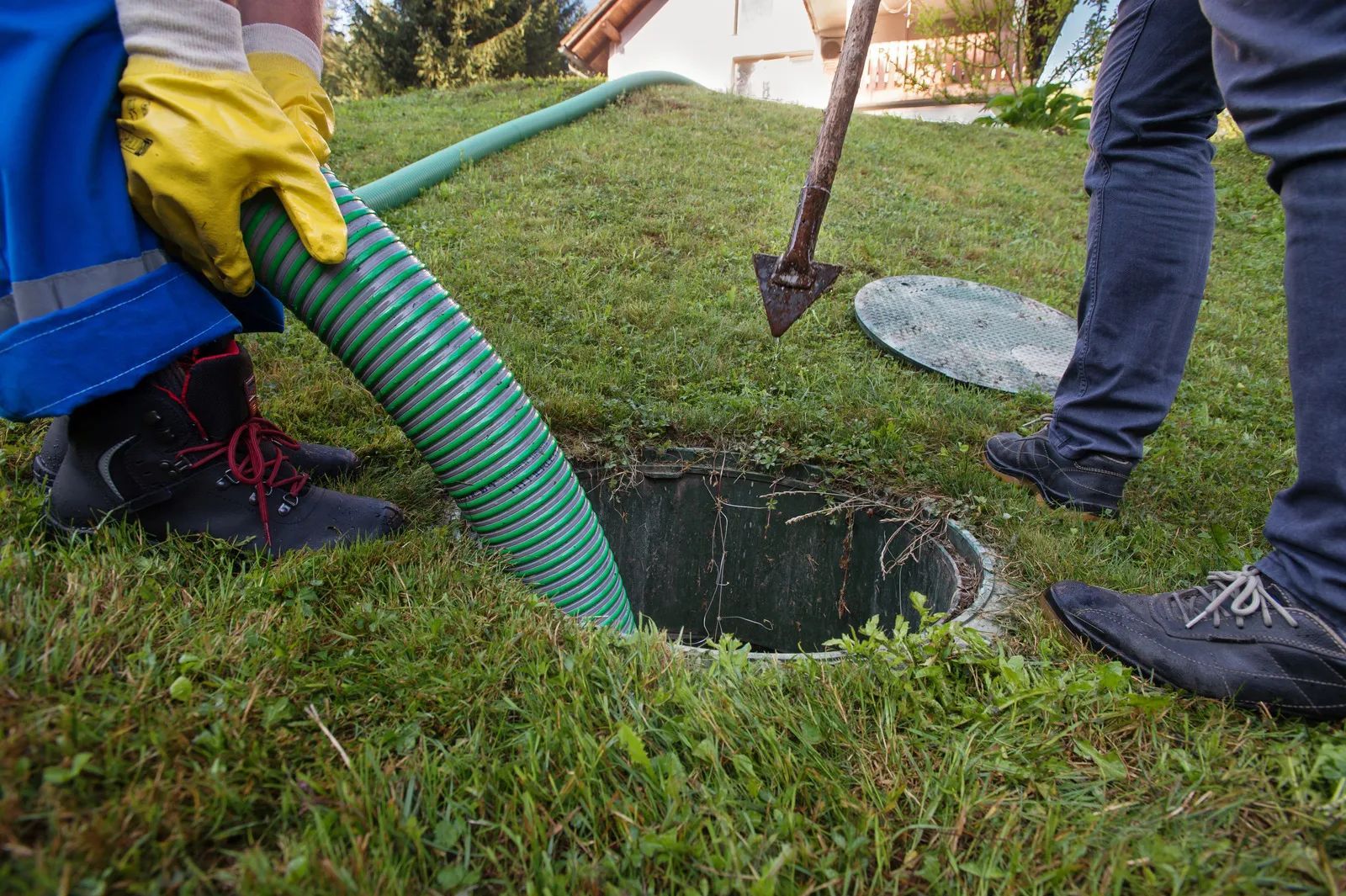
TIP: Pull the cap on your outdoor cleanout and look inside before anyone snakes the line. If water stands high in that pipe, the blockage sits past it, out toward the street or septic tank. If the cleanout is dry, the problem is back inside the house. That one check tells us exactly where to start.
What Is Actually Blocking the Line
Most full blockages we cut open come down to one of three things: tree roots, hardened grease, or a sagging length of pipe.
Roots chase the steady moisture and nutrients inside your sewer line. A root slips through a tiny gap at a pipe joint, then spreads into a net that snags everything passing through. A line can lose most of its opening in a single growing season. The warm, wet ground across this region keeps roots active far longer each year than in colder climates, which is why we pull root masses out of the same kinds of lines over and over.
Grease is the second offender. Cooking oil goes down warm and liquid, then cools and sets against the pipe wall like candle wax. Add wipes, paper, and food scraps, and the opening narrows until it chokes shut. Wipes labeled flushable do not break down. We find them woven through clogs constantly.
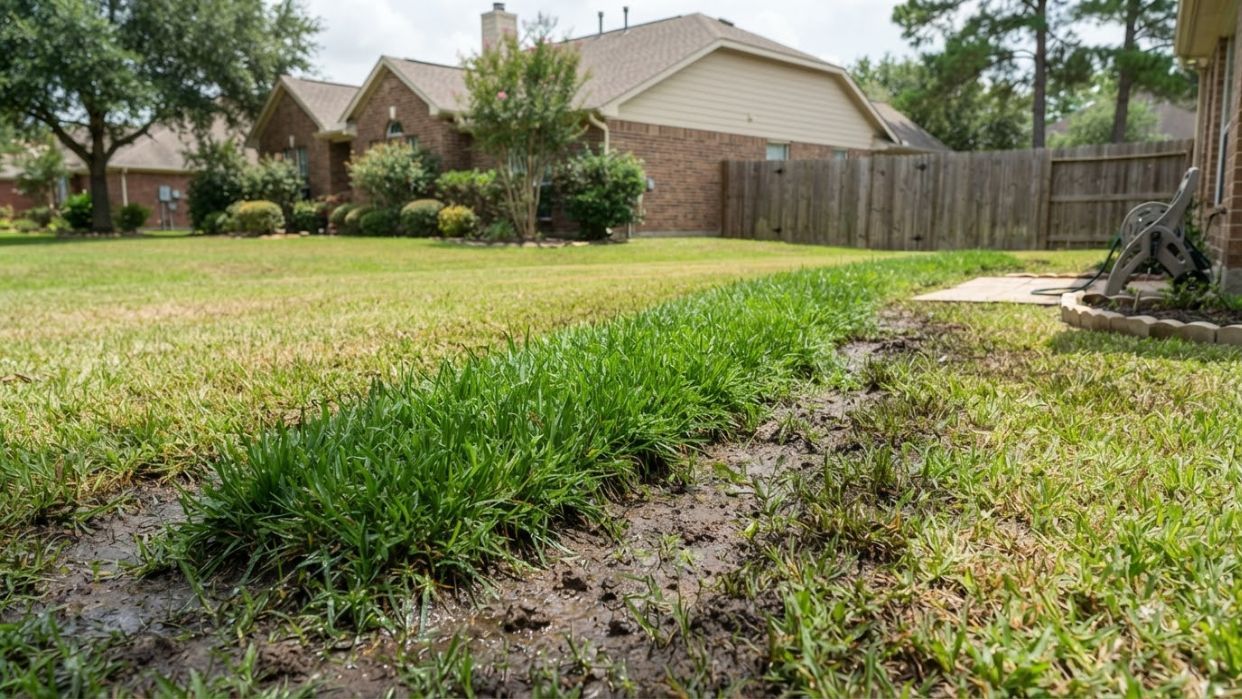
The third cause hides underground. The heavy clay soil throughout the area swells when it rains and shrinks in dry spells. That constant push and pull shifts the ground under your pipes and creates low spots called bellies, where waste pools instead of flowing. Even an inch or two of sag holds enough waste to clog again and again. Older clay and cast iron lines crack or pull apart at the joints under the same pressure.
How a Clogged Line Quietly Damages Your Home
A backed up
sewer line does its worst work where you cannot see it. Water that cannot exit finds the lowest opening and pushes up through floor drains, tubs, and ground floor toilets, soaking flooring, drywall, and subfloor. Even short of a full backup, a cracked line leaks moisture under the slab and into the soil around your foundation. In the humid climate here, that trapped moisture feeds mold inside wall cavities within a day or two. Standing greywater warps wood floors and swells baseboards. Left long enough, a chronic leak under a slab can undermine the soil and lead to settling and cracks.
The Health Risks You Cannot Ignore
The real danger is not the mess. It is what comes out of the line and into the air you breathe.
A blocked line forces sewer gas back through your drains. That gas carries hydrogen sulfide, methane, and ammonia. Low levels bring on headaches, nausea, dizziness, and burning eyes and throat. In a closed up house with the air conditioning running and windows shut for months, those gases collect instead of clearing.
Raw sewage backing up onto your floors is worse. It carries E. coli, salmonella, and other bacteria onto every surface it touches. Crawling children and pets sit closest to the risk. Anything porous the water reaches, carpet, drywall, particleboard, usually has to come out. The lasting moisture also grows mold that triggers allergy and asthma flares, and standing waste draws cockroaches, drain flies, and rodents, each carrying its own health load.
How We Find the Blockage
Guesswork wastes your time, so we look inside the line before we dig. We run a camera on a flexible cable down through the cleanout and watch the pipe on a monitor in real time. That shows us exactly what is in the way, roots, grease, a cracked section, or a belly holding water, and how far down it sits. A locator on the camera head marks the spot above ground to within a foot, so if digging is needed, we dig once in the right place. From there we pick a mechanical cutter to shear roots and scrape buildup, or high pressure water jetting to scour the full pipe wall clean. On most calls, the camera tells the whole story in about fifteen minutes.
Keeping Your Line Clear
Most repeat backups we see were preventable. Each month, run hot water down kitchen drains and keep grease, oil, and wipes out of every drain regardless of the label. Each quarter, flush slow drains with hot water followed by baking soda and vinegar to hold back early buildup. Once a year, have the main line camera inspected, especially with mature trees within thirty feet of the pipe. A yearly root cutting on a known root prone line keeps you out of an emergency backup. And after a heavy storm, when clay soil swells and shifts, watch for new slow drains in the following weeks. That often means a pipe has moved.
Frequently Asked Questions
How fast can a clogged sewer line back up into my house?
Once the main line closes past half its width, a backup can reach your lowest drains within hours of normal water use. Heavy use, like laundry or several showers, speeds it up. Stop running water the very moment you notice gurgling or slow drains everywhere.
Is sewage backup in my home dangerous to touch?
Yes. Raw sewage carries E. coli, salmonella, and other bacteria that cause serious illness. Keep children and pets away, wear gloves and boots if you must enter, and throw out any porous items the water soaked. Let a trained professional handle the cleanup and disinfection.
Can I clear a main sewer line clog myself?
Usually not. A plunger or store snake reaches a sink trap, not a main line blockage sitting deep underground. Chemical cleaners cannot touch roots or a pipe belly and only add hazard. A camera and a powered cutter or jetter are what actually clear it.
Why do tree roots keep getting into my sewer line?
Roots chase the steady moisture and nutrients inside your pipe, slipping through tiny joint gaps. In a warm, humid climate with a long growing season, roots stay active most of the year and regrow fast. Yearly cutting and a camera check keep them under control.
What should I never put down my drains?
Keep grease, oil, and food scraps out of kitchen drains, since grease hardens inside the pipe like wax. Skip wipes, paper towels, and hygiene products, even ones labeled flushable, because none break down. Coffee grounds and eggshells also build up and snag any passing waste.
Expert Camera Inspections And Jetting Across Spring, Texas Homes
One slow drain is a local clog. Several drains failing together means your main sewer line is closing up, and every hour you keep using water makes the backup and the health risk worse. The clay soil and long humid season around Spring put extra strain on buried lines, shifting pipes and feeding the root growth that blocks them faster than most homeowners expect. At A-1 Cleaning & Septic Systems, LLC, we bring 30
years of experience camera inspecting, cutting, and hydro jetting clogged sewer and septic lines across Spring, Texas. Call us the moment two or more drains back up, and we will find the blockage before it floods your floors or fouls your air.