Choosing the Right Septic Tank Installation Service for Your Property
Septic systems play a critical role in managing wastewater for residential, commercial, and rural properties that are not connected to municipal sewer systems. A properly installed septic tank protects groundwater, supports sanitation, and helps maintain the long-term value of a property. However, septic installation is far more complex than placing a tank underground. Soil conditions, property size, drainage patterns, local regulations, and future usage all influence how well the system performs over time. Choosing the wrong installation service can lead to costly repairs, drainage failures, unpleasant odors, environmental hazards, and legal complications that disrupt daily operations and create unnecessary stress for property owners.
Selecting the right septic tank installation service requires careful evaluation of experience, licensing, inspection processes, design knowledge, and installation standards. Property owners must work with professionals who understand how to assess land conditions, recommend suitable system types, and complete installations according to local health and environmental requirements. A reliable installation service also provides guidance on maintenance, long-term performance, and system longevity. As wastewater management standards continue evolving, investing in qualified septic professionals becomes increasingly important for protecting both property functionality and environmental safety. Understanding what to look for during the selection process helps property owners make informed decisions that support reliable performance for many years ahead.
Understanding the Importance of Professional Septic Tank Installation
Why Septic Systems Require Specialized Expertise
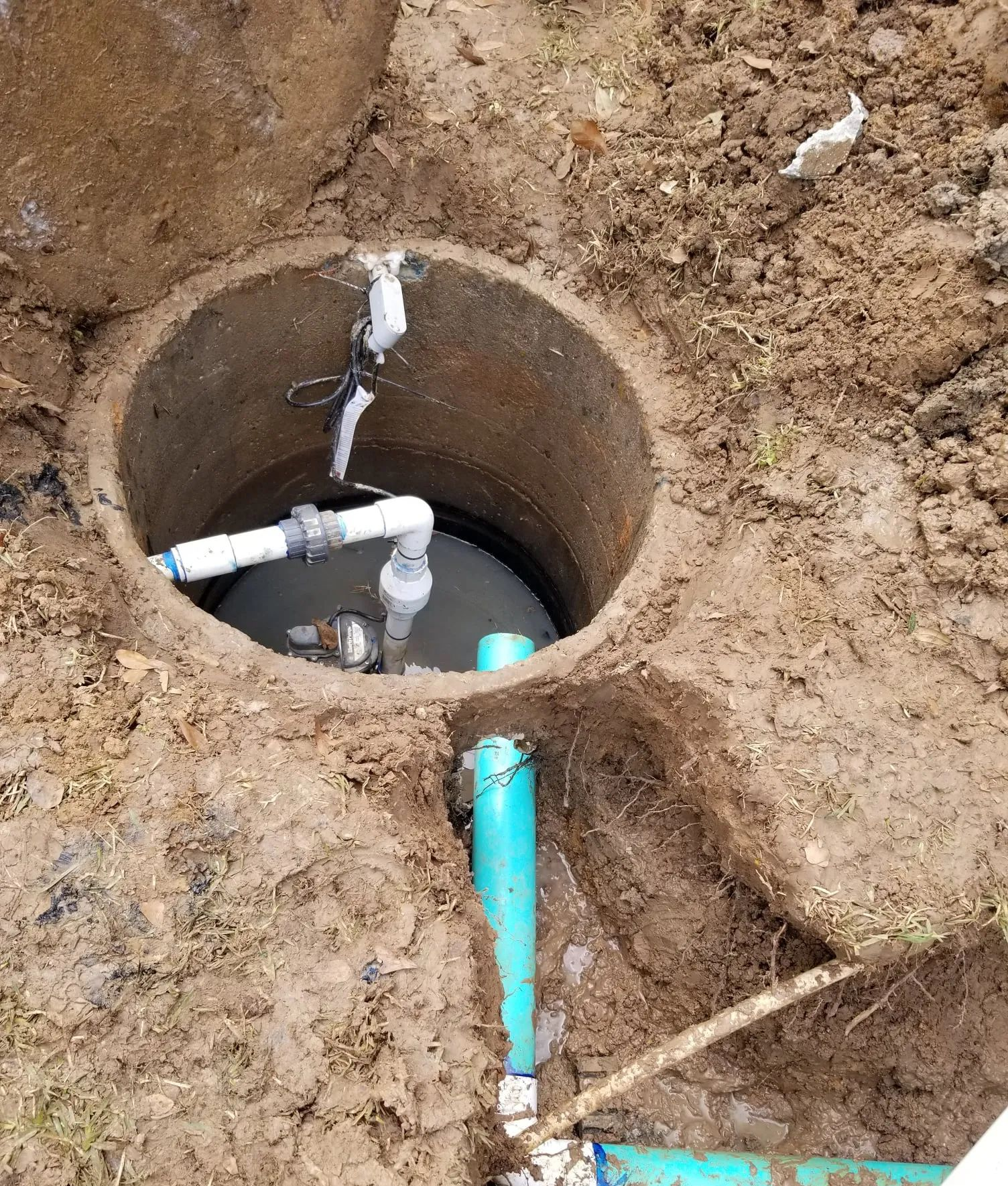
Septic tank installation involves engineering, excavation, plumbing, drainage management, and environmental compliance. Every property has different soil absorption rates, groundwater levels, and wastewater demands. A poorly designed system can fail prematurely, causing backups, flooding, contamination, and expensive reconstruction work.
Professional septic installers evaluate several critical factors before beginning any project. These include soil permeability, property slope, household size, water usage expectations, and local code requirements. Without proper analysis, even a newly installed system may experience long-term operational problems.
Experienced installers also understand how different septic designs function under varying conditions. Conventional systems, mound systems, aerobic treatment units, and alternative septic solutions all serve different purposes depending on site limitations and environmental conditions. Choosing the wrong system type can create serious long-term issues.
Risks of Hiring Inexperienced Contractors
Hiring an unqualified septic contractor often results in improper excavation depths, poor pipe alignment, insufficient drainage fields, or code violations. Many property owners initially focus only on installation costs without considering the long-term consequences of poor workmanship.
Common problems caused by inexperienced installers include:
- Drain field saturation
- Sewage backups
- Uneven wastewater distribution
- Premature tank deterioration
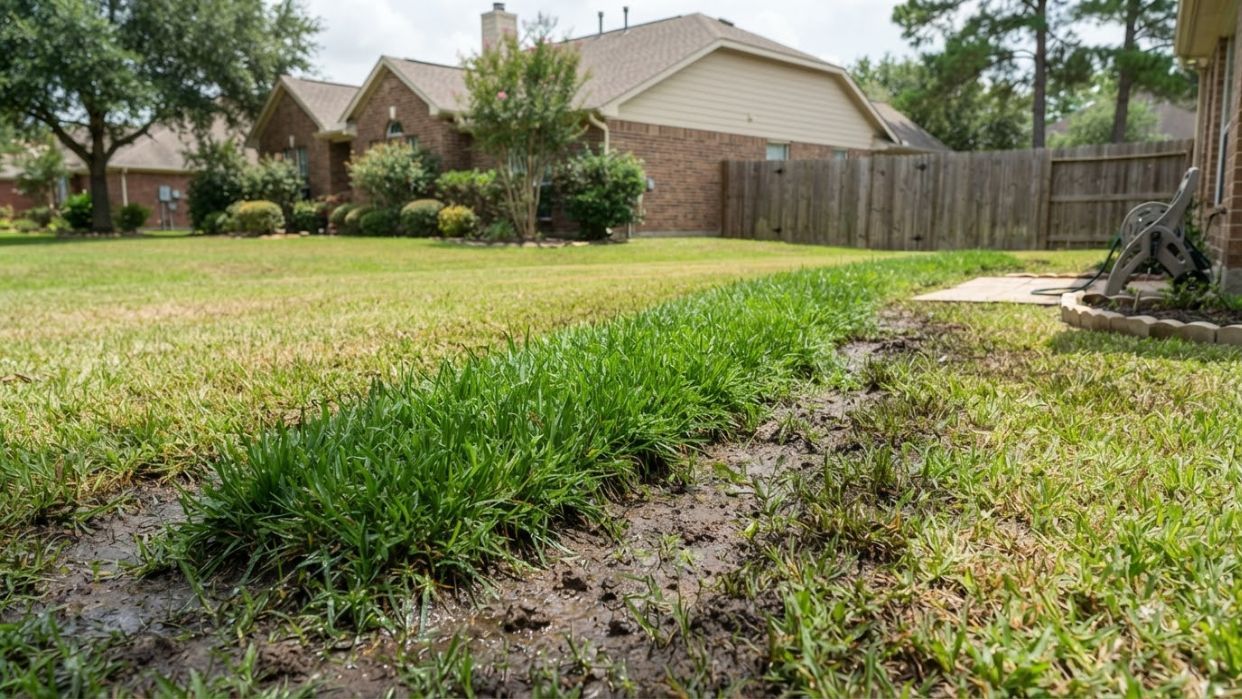
- Surface pooling near the property
- Foul odors around the drain field
Correcting these problems may require complete system replacement, which significantly increases overall expenses. Working with qualified professionals helps avoid these unnecessary risks from the start.
Evaluating Licensing, Certifications, and Industry Experience
Importance of Proper Licensing and Compliance
One of the first steps when choosing a septic installation service is verifying licensing and certification requirements. Licensed contractors understand local health regulations, environmental standards, and permitting procedures necessary for septic installations.
Proper licensing demonstrates that the installer has met industry standards related to safety, system design, and construction practices. It also helps protect property owners from liability issues associated with improper installations.
In many areas, septic systems must pass inspections before approval. Qualified installers understand how to prepare projects for inspection and avoid delays caused by code violations or incomplete documentation.
Assessing Industry Experience
Experience remains one of the strongest indicators of installation quality. Contractors with years of septic installation experience have encountered a wide range of soil conditions, drainage challenges, and property layouts. This practical knowledge helps prevent costly mistakes during installation.
When evaluating experience, property owners should consider:
- Number of completed installations
- Familiarity with local soil conditions
- Knowledge of regional regulations
- Experience with residential and commercial systems
- Ability to manage challenging landscapes
Experienced contractors also provide more accurate project timelines and realistic cost estimates because of past project exposure.
Reviewing Previous Work and Customer Feedback
Reliable septic installation services should have documented examples of completed projects and positive customer feedback. Reviews often provide insight into communication quality, project management, reliability, and overall customer satisfaction.
Property owners should look for comments related to:
- Professionalism
- Timeliness
- Problem-solving ability
- Worksite cleanliness
- Long-term system performance
Consistent positive feedback usually reflects dependable workmanship and strong customer service standards.
Understanding Septic System Design and Property Requirements
Site Evaluations and Soil Testing
Every successful septic installation begins with a thorough site evaluation. Soil testing determines how quickly wastewater can filter through the ground. This process directly affects septic system sizing, drain field placement, and overall design recommendations.
Poor soil conditions may require specialized systems designed to handle slow drainage or high groundwater levels. Skipping proper soil analysis can lead to immediate operational issues after installation.
Professional installers perform detailed evaluations that consider:
- Soil composition
- Water table depth
- Drainage patterns
- Seasonal moisture changes
- Property boundaries
- Nearby wells or water sources
This information helps create a system that functions safely and meets local environmental standards.
Choosing the Right Septic System Type
Not all septic systems operate the same way. Different properties require different solutions based on wastewater volume, space availability, and environmental conditions.
Conventional Septic Systems
Conventional systems remain common for properties with suitable soil and adequate space. These systems use gravity to move wastewater into the drain field for natural filtration.
Aerobic Treatment Systems
Aerobic systems introduce oxygen into wastewater treatment, improving breakdown efficiency. These systems often work well for properties with limited drainage capacity or smaller installation areas.
Mound Systems
Mound systems are designed for locations with shallow soil or poor drainage conditions. Wastewater is filtered through elevated sand and soil layers above the natural ground surface.
Professional installers help property owners understand which option best fits the property’s needs and long-term maintenance expectations.
Comparing Installation Costs Without Sacrificing Quality
Understanding What Influences Septic Installation Costs
Septic installation pricing varies based on multiple factors beyond tank size alone. Property conditions, excavation complexity, permits, drainage requirements, and material selection all influence total project costs.
Several factors commonly affect pricing:
- Soil conditions
- System type
- Property accessibility
- Excavation requirements
- Drain field size
- Permit fees
- Local inspection requirements
Understanding these variables helps property owners compare estimates more accurately rather than focusing only on the lowest bid.
Why Extremely Low Estimates Can Be Risky
Low-cost septic installation quotes sometimes indicate shortcuts in materials, labor quality, or site preparation. Some contractors may exclude necessary permits, inspections, or soil evaluations from initial estimates to appear more affordable.
In many cases, unusually cheap installations result in hidden future costs due to repairs, drainage problems, or failed inspections. Investing in qualified installation services often reduces long-term expenses by preventing avoidable failures.
Balancing Value and Long-Term Reliability
The best septic installation service offers a balance between fair pricing and dependable workmanship. Property owners should prioritize quality materials, experienced labor, code compliance, and long-term reliability rather than focusing solely on upfront savings.
Reliable installers explain costs transparently and help clients understand how proper installation protects the property over time.
Importance of Maintenance Guidance and Long-Term Support
Ongoing Maintenance After Installation
Even the best septic systems require ongoing maintenance to function properly. Reliable installation services educate property owners on routine care practices that support system longevity.
Important maintenance recommendations often include:
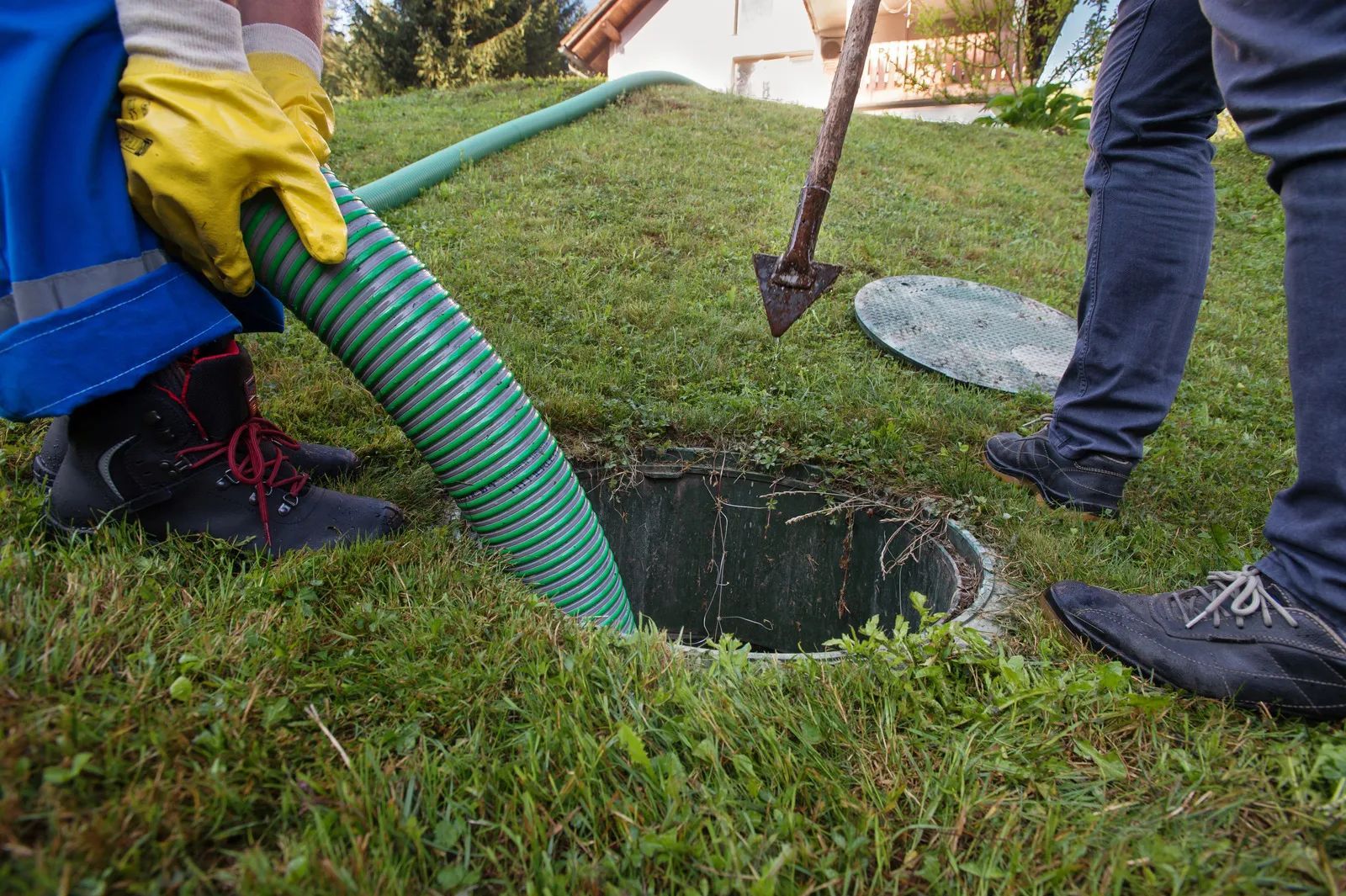
- Scheduling regular pumping
- Monitoring water usage
- Avoiding grease buildup
- Preventing drain field compaction
- Managing landscaping near the system
Understanding these responsibilities helps reduce the risk of expensive future repairs.
Recognizing Early Warning Signs
Professional septic installers also help property owners identify warning signs of potential system issues before major failures occur.
Common indicators include:
- Slow drains
- Sewage odors
- Wet spots near the drain field
- Gurgling plumbing sounds
- Frequent backups
Recognizing these symptoms early allows faster intervention and minimizes property damage.
Importance of Service Availability
Choosing a septic company that offers ongoing support provides additional peace of mind. Future inspections, repairs, maintenance, and emergency services become easier when working with professionals already familiar with the installed system.
Long-term service relationships also improve maintenance scheduling and allow quicker diagnosis if operational issues arise later.
Experienced Septic System Specialists Delivering Dependable Installation Results
Choosing the right septic tank installation service has a direct impact on system performance, environmental safety, and long-term property value. A properly installed septic system supports efficient wastewater management while reducing the risk of expensive repairs, drainage failures, and regulatory complications. Property owners who prioritize experience, licensing, soil analysis, system design expertise, and maintenance guidance place themselves in a stronger position for lasting results. Careful contractor selection also helps ensure compliance with local regulations and creates confidence that the system will operate safely under daily usage demands for many years.
At A-1 Cleaning & Septic Systems, LLC
in Cincinnati, we bring more than 30
years of septic industry experience to residential and commercial properties requiring dependable wastewater solutions. Our approach focuses on thorough property evaluations, accurate system recommendations, professional installation practices, and long-term customer support tailored to each property’s unique requirements. We understand the importance of protecting property value, maintaining environmental responsibility, and delivering reliable septic performance through quality workmanship and knowledgeable service. From initial site assessments to complete installation guidance, we remain committed to helping property owners make informed decisions that support durable, efficient septic systems built for long-term reliability and peace of mind.