Why Regular Septic Tank Cleaning is Crucial for Home Health
Maintaining a healthy home environment goes far beyond routine cleaning and maintenance of visible spaces. One of the most overlooked yet essential components of a safe and hygienic household is the septic system. Septic tanks play a critical role in managing wastewater, breaking down organic matter, and preventing contamination of soil and groundwater. When neglected, these systems can become breeding grounds for harmful bacteria, create unpleasant odors, and even cause structural damage to your property. Understanding the significance of regular septic tank cleaning is not just a matter of convenience—it is a necessity for the overall health and safety of your home.
A properly maintained septic system ensures that wastewater is treated efficiently, protecting both your household and the surrounding environment. Homeowners often underestimate the risks associated with neglected septic tanks, which can result in costly repairs, environmental hazards, and serious health concerns. By adopting a proactive approach and scheduling regular septic inspections and cleaning, families can prevent blockages, reduce system failures, and extend the lifespan of their septic infrastructure. This article explores the critical reasons why regular septic tank cleaning is essential and provides actionable insights to help homeowners maintain a safe, efficient, and hygienic home environment.
1. Understanding Your Septic System
Components and Functionality
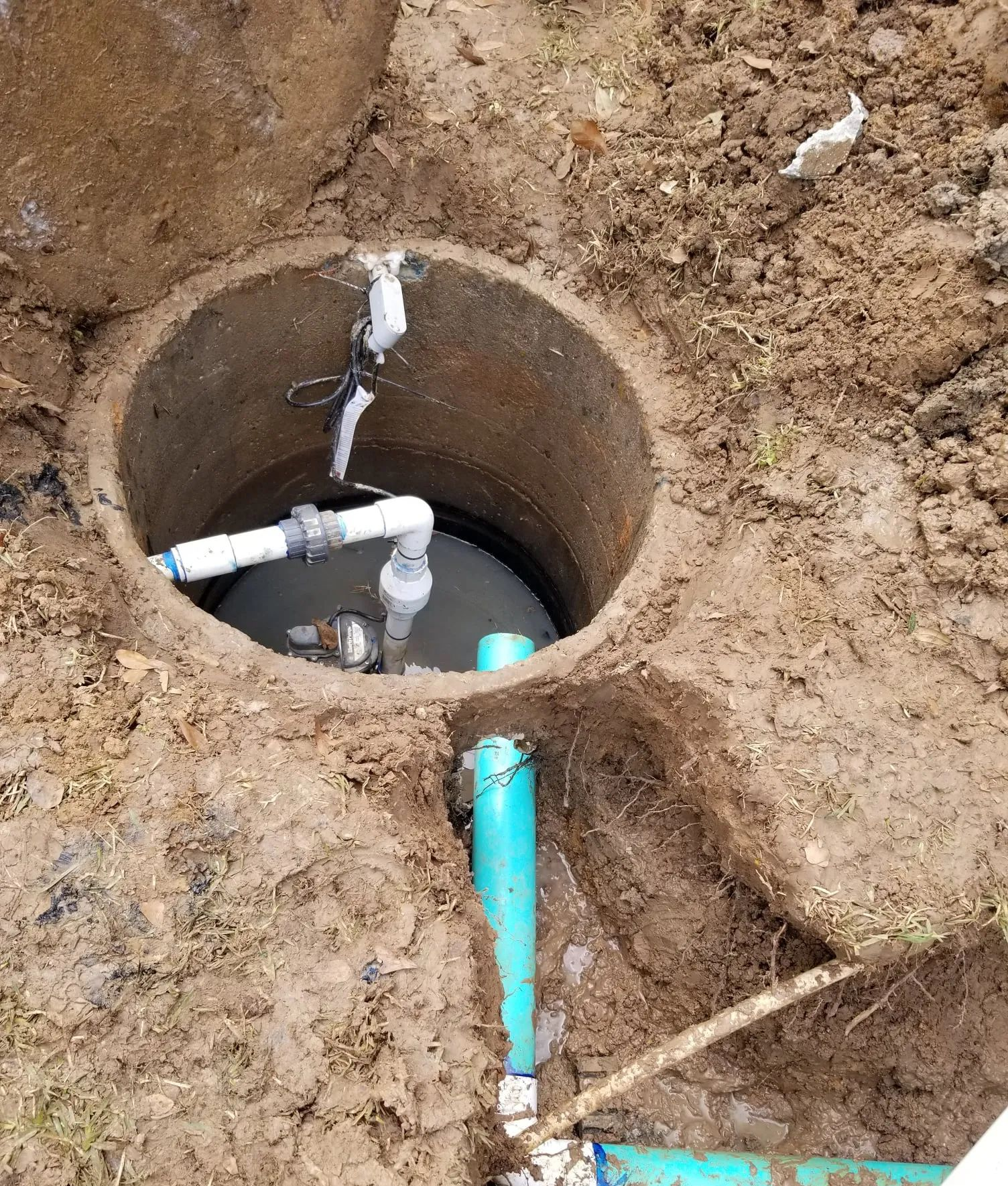
A septic system is a self-contained underground wastewater treatment structure commonly used in rural and suburban homes. The system typically consists of a septic tank, a drain field (also known as a leach field), and a network of pipes that carry wastewater from the home to the tank. Wastewater enters the septic tank, where solids settle at the bottom forming sludge, oils and fats float to the top forming scum, and partially clarified water exits into the drain field for further filtration by soil microbes.
Proper understanding of these components is vital because each plays a unique role in preventing contamination and maintaining a sanitary environment. A clogged pipe, excessive sludge accumulation, or a damaged drain field can compromise the entire system, leading to backups and environmental hazards. Homeowners who are aware of how their septic system functions are better positioned to recognize early warning signs of problems and take preventive measures.
Common Signs of a Failing Septic System
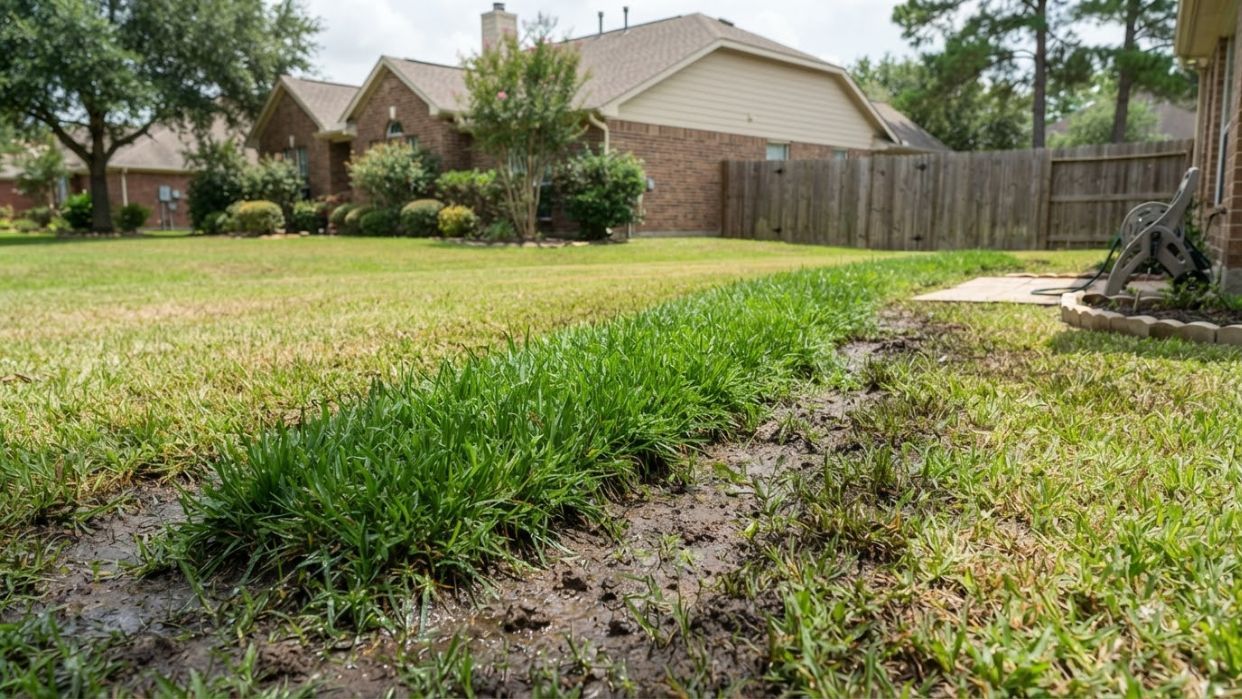
Awareness of warning signs can save homeowners from costly repairs. Common indicators of a failing septic system include slow-draining sinks, pooling water or muddy areas near the drain field, strong foul odors around the property, and frequent toilet backups. Addressing these signs early by consulting a septic professional can prevent minor issues from escalating into major health and structural problems.
2. Health Risks Associated with Neglected Septic Tanks
Exposure to Harmful Pathogens
Neglected septic tanks can harbor dangerous pathogens such as E. coli, Salmonella, and various viruses that pose serious health risks. These microorganisms can contaminate drinking water, soil, and the home environment, leading to gastrointestinal illnesses, infections, and other health complications. Children, elderly individuals, and people with weakened immune systems are particularly vulnerable.
Regular septic tank cleaning reduces the accumulation of sludge and scum, limiting bacterial proliferation and minimizing the risk of exposure. Professional cleaning ensures that waste is safely removed, preventing these pathogens from spreading throughout the household or nearby water sources.
Environmental Contamination
Beyond immediate health risks, neglected septic systems can pollute local water bodies. When a tank overflows or leaks, untreated wastewater can seep into groundwater, streams, and rivers, causing environmental contamination. Nutrient overloads from excessive nitrogen and phosphorus can lead to harmful algal blooms, impacting aquatic life and the safety of local water supplies. Routine cleaning and maintenance help mitigate these environmental hazards while ensuring compliance with local health and sanitation regulations.
3. Preventing Costly Repairs and System Failures
The Financial Impact of Neglect
Septic system failures are not only unpleasant but also expensive to repair. Problems such as clogged pipes, collapsed drain fields, or complete system backups can cost thousands of dollars in emergency repairs or replacements. In many cases, homeowners who neglect regular cleaning end up facing preventable financial burdens.
Extending System Lifespan
Routine septic tank cleaning is an investment in long-term system efficiency and durability. By removing sludge and scum accumulation, the tank functions optimally, reducing stress on pipes and the drain field. Experts recommend cleaning a standard household septic tank every 3 to 5 years, though frequency may vary based on household size, water usage, and tank capacity. Consistent maintenance not only prevents emergency breakdowns but also ensures that the system operates efficiently for decades.
Real-World Example
Consider a family in a suburban area who ignored septic maintenance for over a decade. They began noticing slow drains and foul odors, and eventually experienced a complete system failure that required full replacement of the tank and drain field—costing over $15,000. Regular inspections and cleaning during this period could have prevented the emergency, saving time, money, and stress.
4. Best Practices for Septic Tank Maintenance
Scheduling Regular Cleanings
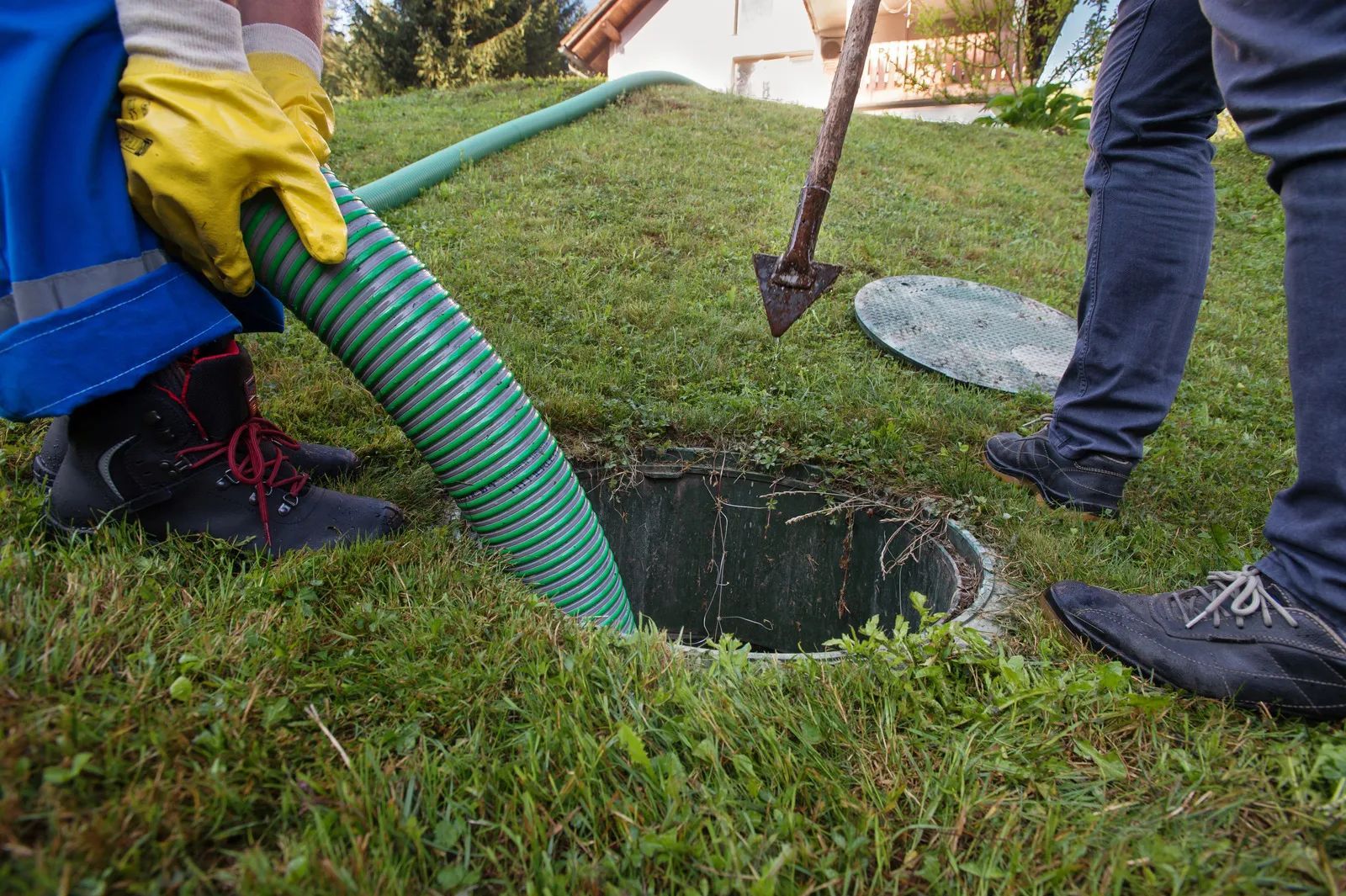
One of the most effective strategies for preventing septic issues is establishing a regular cleaning schedule. Homeowners should consult licensed septic service providers to determine optimal intervals based on household size and usage. Professional cleaning involves pumping out sludge, inspecting tank walls, checking baffles, and ensuring proper drainage into the leach field.
Monitoring Usage and Waste Disposal
Proper usage habits complement professional maintenance. Avoid flushing non-biodegradable items such as wipes, sanitary products, or chemicals, which can disrupt bacterial balance and cause blockages. Limiting the use of garbage disposals and conserving water reduces system strain and prevents rapid sludge accumulation.
Landscaping Considerations
The area surrounding the drain field requires careful attention. Planting trees with deep roots nearby can damage pipes and interfere with drainage. Avoid paving over the leach field or placing heavy structures on top, as these actions can compact soil and hinder natural filtration. By maintaining appropriate landscaping, homeowners ensure the system functions efficiently and avoids unnecessary wear.
5. The Role of Professional Septic Services
Expertise and Equipment
Professional septic service providers possess specialized tools and expertise that homeowners cannot replicate. These include high-capacity pumps, video inspection equipment, and advanced cleaning technologies that safely remove waste and detect potential issues before they escalate. Professionals can identify cracks, leaks, and areas of sludge buildup that may go unnoticed during routine visual inspections.
Inspections and Preventive Measures
A comprehensive septic inspection involves evaluating tank integrity, pipe connections, baffles, and the drain field. Detecting minor issues such as small leaks or uneven sludge distribution early allows for timely corrective action. Preventive maintenance reduces the likelihood of costly emergency repairs, protects the environment, and safeguards household health.
Customized Maintenance Plans
Reputable septic providers often develop customized maintenance plans tailored to a household’s specific needs. Factors such as family size, water usage patterns, soil type, and local climate influence the frequency and type of services required. These plans provide a structured approach to septic health, ensuring that homeowners never miss critical maintenance milestones.
6. Long-Term Benefits of Regular Septic Tank Cleaning
Enhanced Home Safety and Hygiene
Consistent septic maintenance safeguards the home environment by minimizing bacterial exposure and preventing wastewater backups. Families enjoy a cleaner, safer living space with reduced risk of illnesses caused by pathogens and contaminated water.
Increased Property Value
A well-maintained septic system is an asset for homeowners looking to sell or refinance. Prospective buyers and inspectors often review septic records; a history of regular cleaning and maintenance enhances property value, reinforces buyer confidence, and facilitates smoother real estate transactions.
Environmental Responsibility
Homeowners contribute positively to their community and the environment by ensuring wastewater is properly treated. Regular septic tank cleaning prevents harmful contaminants from reaching soil and water bodies, supporting sustainable water management practices and responsible waste disposal.
Peace of Mind
Perhaps one of the most underestimated benefits of septic maintenance is the peace of mind it brings. Knowing that your system is functioning correctly and that your family is protected from health risks allows homeowners to focus on daily life without worrying about hidden dangers lurking beneath the ground.
Reliable Septic Maintenance Backed by Proven Expertise
Maintaining a healthy home environment requires more than surface-level cleaning. Regular septic tank cleaning is a fundamental aspect of safeguarding household health, preventing costly repairs, and protecting the surrounding environment. By understanding the components of a septic system, recognizing warning signs, adopting best practices, and partnering with professional services, homeowners can ensure their systems operate efficiently and safely for decades. From reducing pathogen exposure to enhancing property value and environmental responsibility, the advantages of consistent maintenance are far-reaching and critical for long-term home wellness.
For residents in Spring, Texas, A-1 Cleaning & Septic Systems, LLC
offers 30
years of expert service in septic tank maintenance and cleaning. Our team of licensed professionals provides comprehensive inspections, safe waste removal, and personalized maintenance plans designed to keep your system running optimally. With a commitment to reliability, transparency, and customer satisfaction, we help homeowners prevent emergencies, extend the life of their septic systems, and protect both family health and the environment. Trust A-1 Cleaning & Septic Systems, LLC
to ensure your home remains safe, efficient, and worry-free.