Step-by-Step Guide to Professional Septic Tank Cleaning Services
Septic systems are an integral component of many residential and commercial properties, ensuring safe and efficient wastewater management. Despite their critical role, these systems are often overlooked until signs of malfunction appear, such as slow drains, unpleasant odors, or unexpected backups. Professional septic tank cleaning is not just about maintenance—it is about safeguarding the health of your household, protecting the environment, and extending the lifespan of your septic system. Regular, systematic cleaning ensures that solids, sludge, and scum are properly removed, preventing costly repairs and mitigating environmental risks. Proper maintenance also helps avoid soil contamination and protects nearby water sources, which is particularly important in areas with wells or sensitive ecosystems. Understanding the full lifecycle and operational needs of your septic system empowers property owners to make informed decisions about maintenance schedules and service providers. For property owners, understanding the process of septic tank cleaning is essential for maintaining a functional and hygienic system.
Engaging a professional septic service offers more than just the removal of waste. Technicians bring expertise in system inspection, sludge management, and regulatory compliance, ensuring that the septic tank operates optimally. Moreover, professional services identify early warning signs of potential issues, allowing for proactive measures that minimize damage and save costs. A trained technician can also provide guidance on proper water usage, waste disposal, and chemical use, all of which influence the efficiency and longevity of the system. Whether for a home, business, or rural property, having a structured cleaning plan in place not only preserves the integrity of the system but also enhances overall property value. This guide explores the step-by-step process of professional septic tank cleaning, offering actionable insights for property owners and facility managers, and highlights practical best practices to maintain a safe and efficient wastewater system.
1. Understanding Septic Tank Systems
How Septic Tanks Work
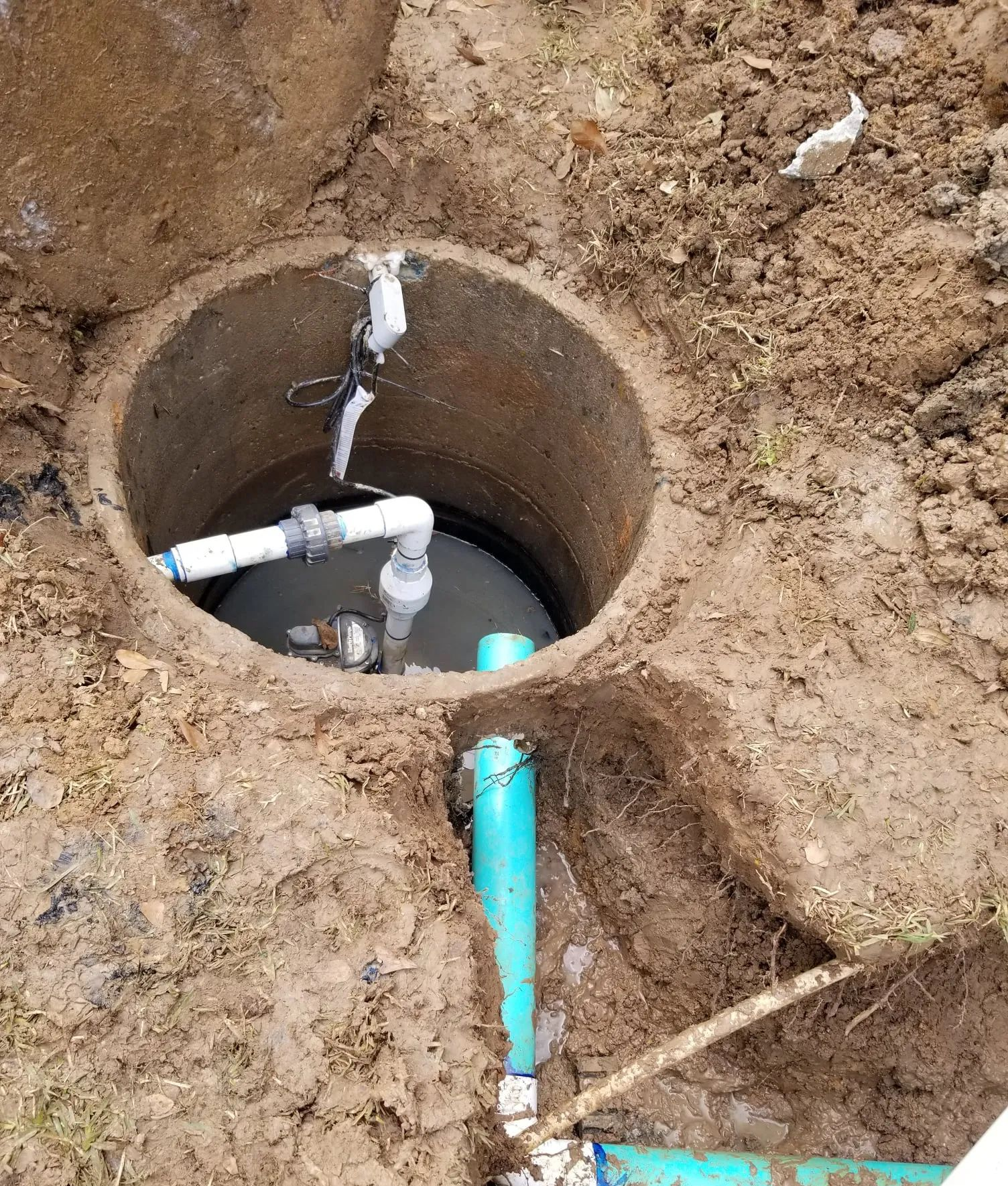
A septic tank is a key component of a decentralized wastewater treatment system, typically consisting of an underground tank and a drainfield. Wastewater from toilets, sinks, and appliances enters the tank, where solids settle at the bottom forming sludge, oils float to the top forming scum, and partially treated water exits into the drainfield for further filtration. This natural separation process is efficient when the system is well-maintained, but neglect can lead to overflows, clogs, and contamination of soil and water sources.
Common Types of Septic Systems
Septic systems vary depending on property size, soil conditions, and usage patterns. Conventional systems include standard gravity-fed tanks and alternative systems with pumps or pressure distribution. Advanced systems may incorporate aerobic treatment units or sand filters. Understanding the type of system is critical for planning a cleaning schedule, selecting the right equipment, and preventing improper waste handling.
The Importance of Regular Maintenance
Neglecting septic tank maintenance can lead to costly repairs, environmental hazards, and health risks. Regular cleaning prevents the buildup of solids that can block pipes, damage the tank, and contaminate surrounding areas. Professional services follow recommended guidelines based on tank size, household usage, and local regulations, ensuring reliable operation over time.
2. Signs Your Septic Tank Needs Cleaning
Unpleasant Odors
Foul smells around the septic tank, drainfield, or even inside the home can indicate accumulated waste and bacterial growth. While minor odors might be overlooked, persistent or strong odors signal the need for professional intervention.
Slow Drains and Backups
One of the earliest indicators of a full or failing septic tank is slow drainage in sinks, bathtubs, and toilets. Persistent backups suggest that solids are obstructing normal flow, making timely cleaning critical to avoid larger plumbing issues.
Unpleasant Odors
Foul smells around the septic tank, drainfield, or even inside the home can indicate accumulated waste and bacterial growth. While minor odors might be overlooked, persistent or strong odors signal the need for professional intervention.
Water Pooling or Saturated Drainfields
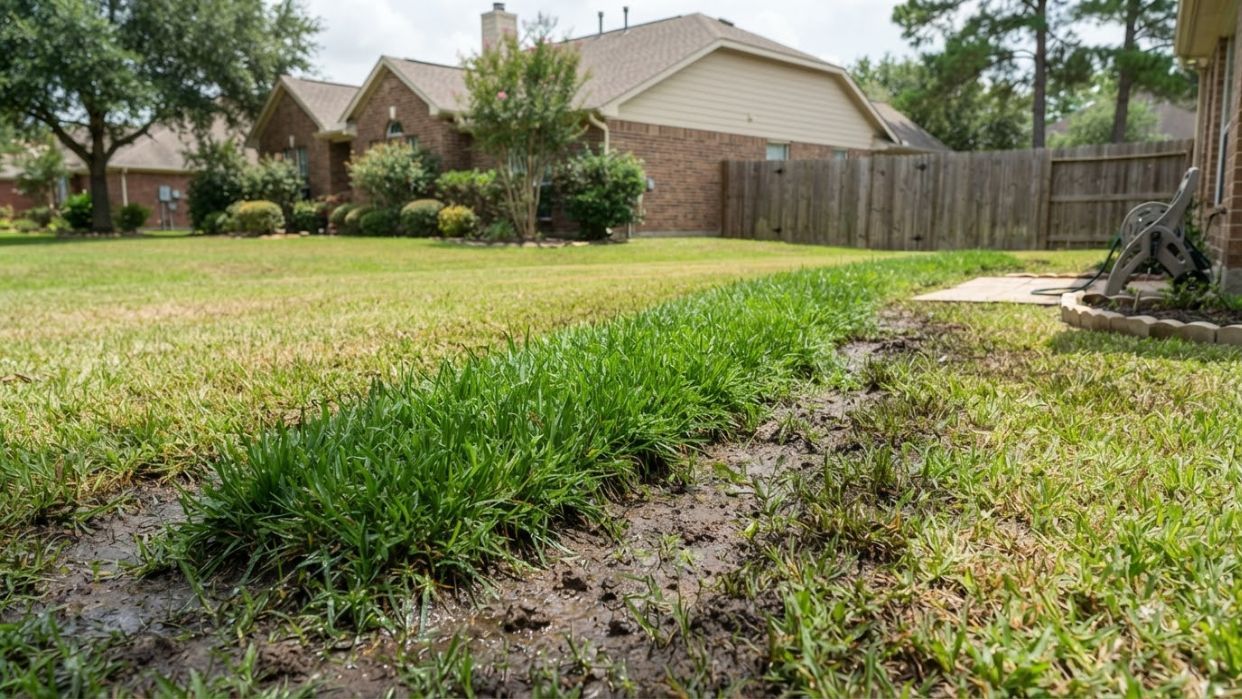
Excess water pooling near the septic tank or drainfield often points to inefficiencies caused by sludge overflow or soil saturation. This condition can harm surrounding vegetation, attract pests, and compromise structural integrity.
Algal or Bacterial Growth in Nearby Water Sources
In rural areas with nearby wells, ponds, or streams, improper septic maintenance can lead to bacterial contamination. Testing water quality is a proactive measure to detect system issues before they escalate.
3. Preparing for Professional Septic Tank Cleaning
Scheduling Regular Inspectionsect
The first step in septic tank maintenance is scheduling routine inspections. A professional technician evaluates sludge levels, tank integrity, baffle condition, and drainfield functionality. Inspections determine cleaning frequency, which typically ranges from every 3 to 5 years for residential systems but can vary with household size and usage intensity.
Clearing Access Points
Technicians require easy access to the septic tank for pumping and inspection. Property owners should ensure that lids, manholes, and vents are unobstructed. Removing debris, landscaping obstacles, or heavy equipment from the area streamlines the cleaning process and prevents accidents.
Gathering System Information
Providing the service provider with details about the system, such as tank size, age, installation type, and previous maintenance records, allows for an efficient cleaning process. Knowledge of the system ensures appropriate equipment selection and adherence to manufacturer or regulatory guidelines.
4. Step-by-Step Cleaning Proces
Step 1: Initial Inspection
A professional begins by inspecting the tank and surrounding area for signs of damage or wear. This includes checking for cracks, corrosion, or misaligned pipes. Identifying structural issues early helps prevent further damage during the cleaning process.
Step 2: Sludge and Scum Measurement
Technicians measure the thickness of sludge at the bottom and scum at the top of the tank. This measurement determines whether pumping is necessary and identifies potential problems in the separation process.
Step 3: Pumping the Tank
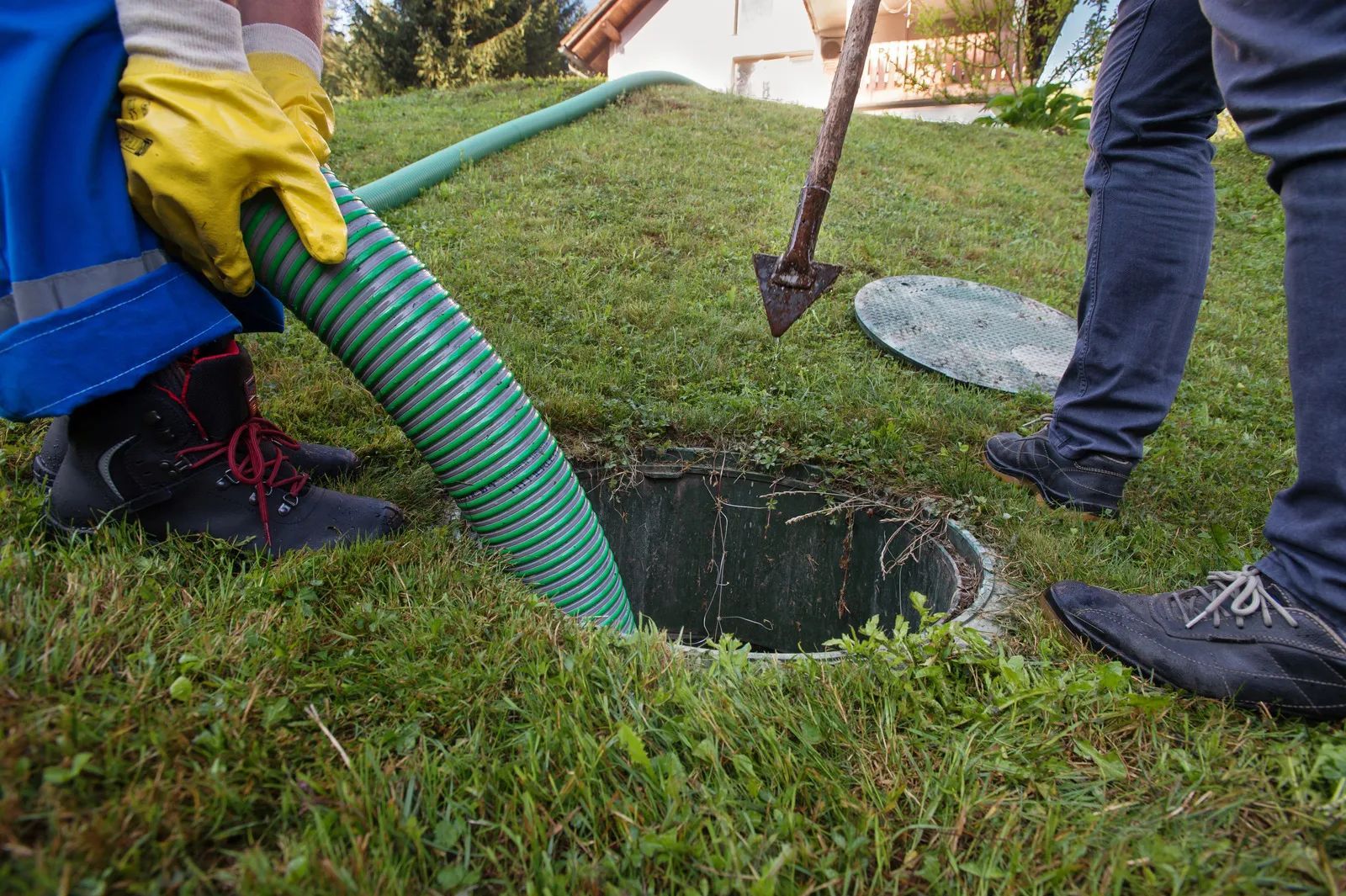
Using high-capacity vacuum trucks, the technician removes accumulated solids from the tank. Proper handling of waste is critical to prevent spills, environmental contamination, and health risks. The pumped material is then transported to authorized treatment facilities.
Step 4: Cleaning and Flushing
After pumping, the tank is often flushed with water to remove residual waste. This step ensures that remaining sludge is collected for disposal, and that the tank walls are free of buildup. Professionals may also inspect inlet and outlet pipes for blockages.
Step 5: System Inspection and Repairs
Following cleaning, the technician inspects internal components, including baffles, filters, and connections. Minor repairs, such as replacing worn baffles or adjusting pipe alignments, are completed to ensure optimal system performance.
Step 6: Documentation and Recommendations
A detailed service report is provided, outlining tank condition, cleaning details, and recommended maintenance intervals. Recommendations may include scheduling the next cleaning, avoiding certain chemicals, or installing additional filtration systems to enhance longevity.
5. Best Practices for Septic Tank Maintenance
Avoiding Harmful Chemicals
Household chemicals such as bleach, drain cleaners, and antibacterial products can disrupt bacterial activity essential for wastewater decomposition. Limiting chemical use helps maintain natural biological processes within the tank.
Monitoring Water Usage
Excessive water use can overwhelm the septic system, leading to backups or drainfield saturation. Implementing water-saving practices, like low-flow fixtures and timely appliance repairs, protects the tank and drainfield.
Proper Waste Disposal
Only biodegradable waste and human waste should enter the system. Non-biodegradable materials, grease, and large food particles can cause blockages and require more frequent cleaning. Educating household members about proper disposal practices prevents avoidable damage.
Landscaping and Structural Considerations
Avoid planting deep-rooted trees near the septic tank or drainfield, as roots can penetrate pipes and obstruct flow. Additionally, heavy vehicles should not traverse the system area to prevent structural damage to the tank or drainfield.
6. Benefits of Professional Septic Tank Cleaning
Cost Savings and Longevity
Regular professional cleaning reduces the likelihood of expensive repairs or premature tank replacement. Preventing clogs, leaks, and system failures extends the lifespan of the septic system.
Environmental Protection
Proper waste handling and disposal prevent soil and groundwater contamination. By adhering to local regulations and using approved disposal methods, professional services protect public health and the surrounding ecosystem.
Enhanced Home Value
A well-maintained septic system reflects positively on property value. Prospective buyers or tenants often assess septic health, and a documented maintenance record provides confidence in system reliability.
Peace of Mind
Engaging professionals ensures that the system is cleaned safely, efficiently, and thoroughly. Knowing that trained technicians handle waste management allows property owners to focus on other responsibilities without concern for unexpected failures.
Experienced Professionals Protecting Homes and Properties Safely
Maintaining a septic system is crucial for the safety, efficiency, and longevity of any property relying on decentralized wastewater management. Regular inspections, professional cleaning, and mindful usage practices prevent costly repairs, minimize environmental hazards, and enhance system performance. Recognizing the warning signs of sludge accumulation, backups, or odors enables timely intervention and avoids disruption. By following a structured cleaning and maintenance plan, property owners ensure that their septic systems function reliably for 30 years .
A-1 Cleaning & Septic Systems, LLC
based in Spring, Texas, brings 15 years of experience in professional septic services, providing thorough inspections, safe sludge removal, and system maintenance tailored to each property. Their team combines technical expertise with a commitment to customer satisfaction, ensuring compliance with environmental regulations and industry best practices. For homeowners and businesses seeking dependable septic tank care, A-1 Cleaning & Septic Systems, LLC
offers a trusted solution that safeguards health, protects property, and delivers peace of mind through every step of the septic maintenance
process.