The Do's and Don'ts: Best Practices for Ensuring a Long-Lasting Septic System
Septic systems are crucial for many homeowners, especially in areas without centralized sewage facilities. They're reliable, efficient, and eco-friendly when maintained properly. But neglect or misuse can lead to expensive repairs. Let's explore the best practices to ensure your septic system lasts a long time, functioning as it should.
Do's: Keeping It Smooth and Functional
Stay on Top with Routine Checks:
- Like health check-ups, your septic system needs regular inspections.
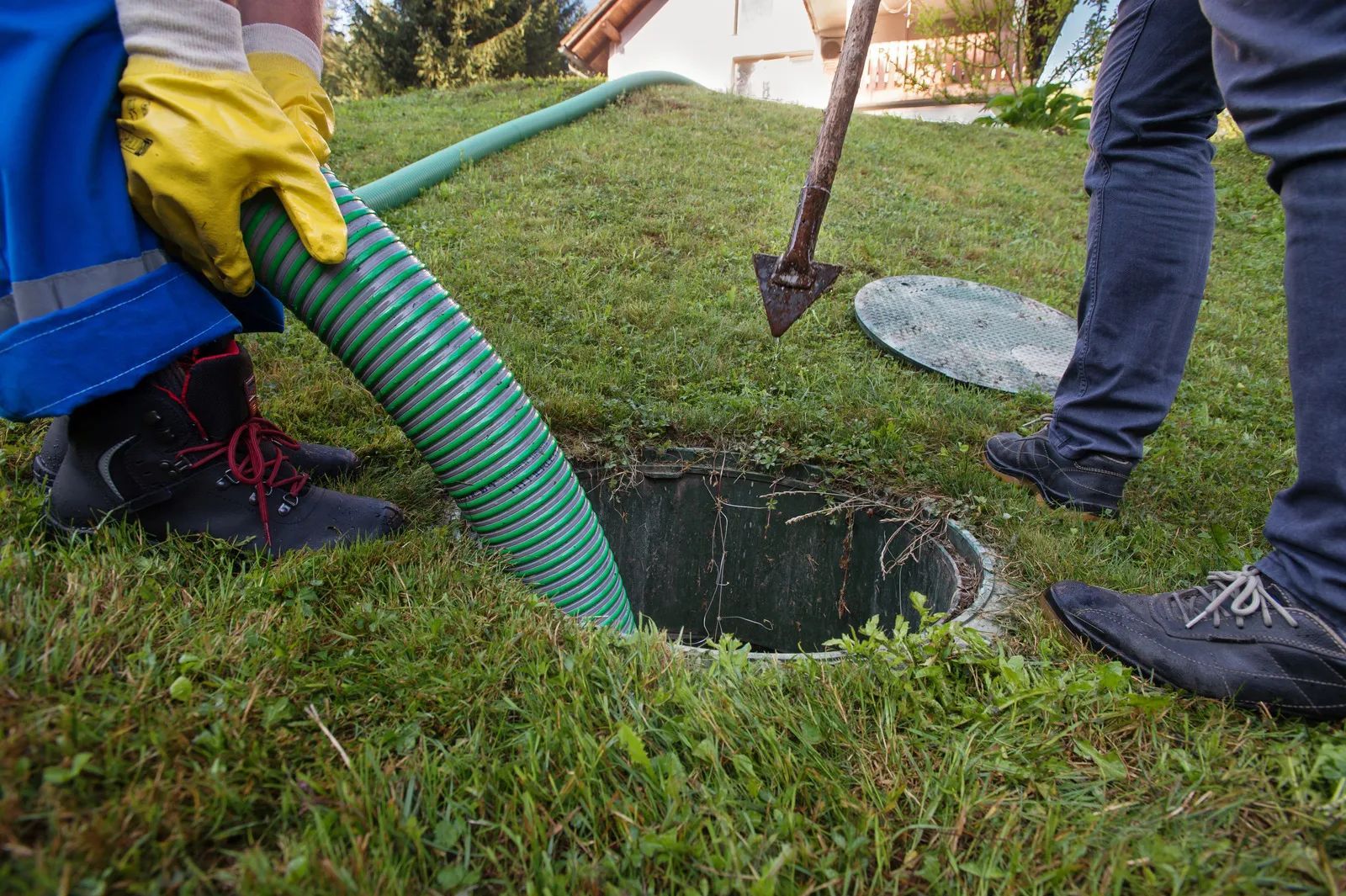
- Simple step: Get a professional to look at it every 3-5 years. They’ll spot problems you might miss.
Be Mindful of What Goes Down:
- Some things just aren't meant for your septic.
- Simple step: Stick to basics. Toilet paper? Yes. Grease, chemical cleaners, and plastic items? A big no.
Go Easy on the Water:
- Too much water at once can overwhelm the system.
- Simple step: Fix any drippy faucets, consider low-flow toilets, and maybe don’t do laundry every day.
Know Where Your Septic Is:
- Digging in the wrong spot can be a costly mistake.
- Simple step: Jot down where it is or sketch it out. And remember, no heavy stuff like cars over it!
Choose Natural Cleaners:
- Some cleaning chemicals mess up the balance in your tank.
- Simple step: Good old baking soda, vinegar, and even some mild soaps often do the trick without the harm.
Don'ts: Mistakes to Sidestep
Keep the Heavy Stuff Away:
- Your septic area isn’t a parking lot.
- Simple step: No parking cars or heavy equipment on it. The weight can wreck things below.
Watch Where You Plant:
- Trees are great, but their roots? Not so much around a septic system.
- Simple step: Plant trees away from the septic zone. If you're unsure, grass or small plants are safer bets.
Limit the Chemicals:
- Some chemicals can harm your septic's balance.
- Simple step: Go easy on heavy cleaners. And if you can, avoid chemical drain solutions.
Think Twice About Additives:
- There are products out there that promise to “boost” septic performance. They're not always what they're cracked up to be.
- Simple step: Trust the natural process. If you think something’s off, it’s better to chat with a pro.
Toss Trash the Right Way:
- Some stuff doesn’t break down and can clog the system.
- Simple step: Toss things like sanitary products and wipes in the trash, not the toilet.
Having a septic system isn’t rocket science, but it does ask for some attention now and then. Remember the basics: watch what you flush, keep heavy items and deep-rooting plants away, and get regular check-ups. A bit of care goes a long way, and with these simple do's and don’ts, your
septic system
will keep doing its job for a very long time.